

IMX 2026 Shanghai Day 3 Recap: Human Creativity, The Healing Music Standard, and Why We Still Make Music When Machines Can Make Everything
Closing three landmark days at 1933 Old Millfun, Day 3 of IMX 2026 Shanghai confronted the foundational heart of the music industry — celebrating human creativity, launching a historic healing music standard with Kanjian Music Chairman Shen Jia, and answering why people must continue to create music when machines can generate everything.
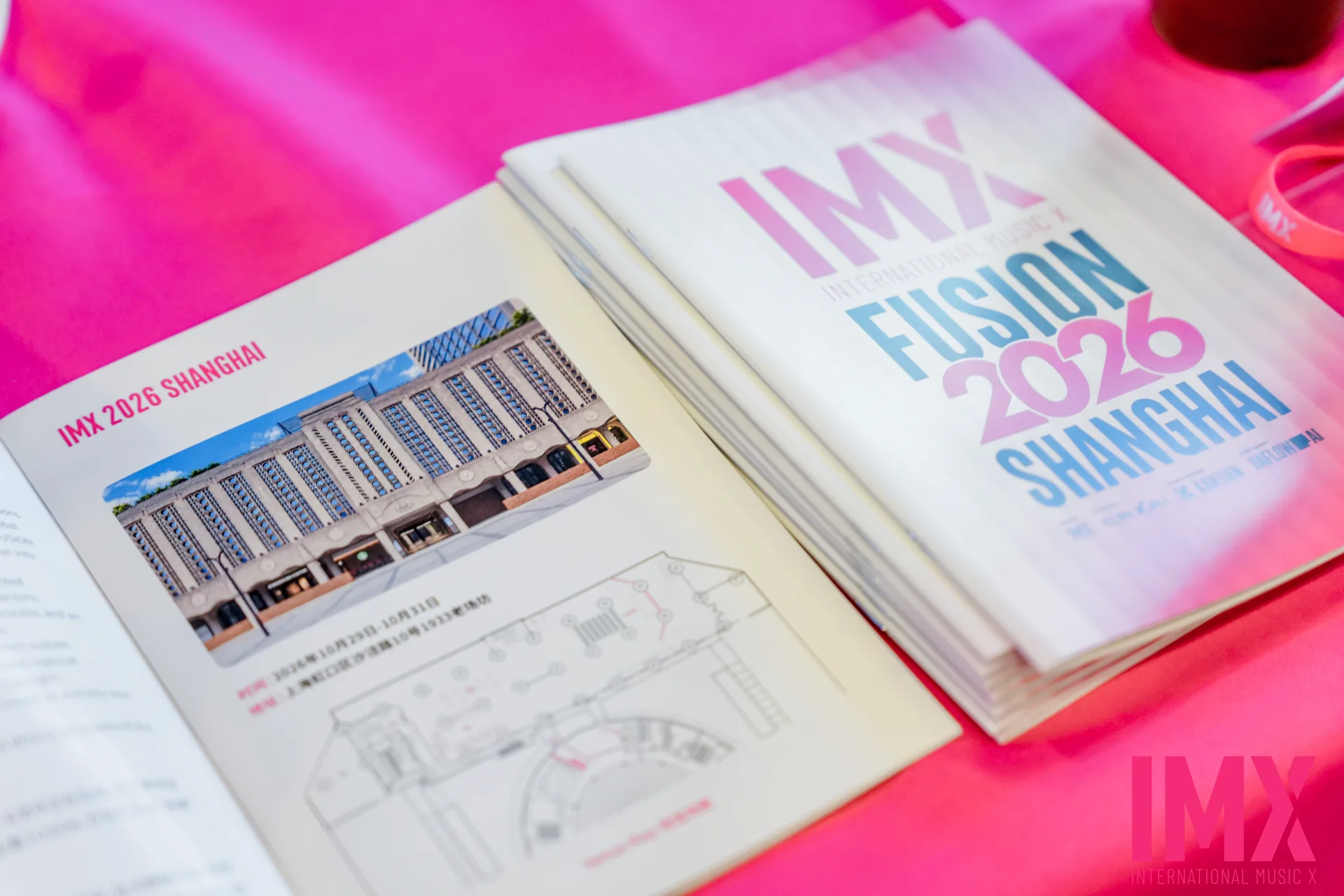
Under the historic concrete arches and radiant chandeliers of 1933 Old Millfun, International Music X (IMX) convened Day 3 of its 2026 Shanghai summit on Saturday, October 31. Following Day 1's focus on industry infrastructure and Day 2's deep dive into enterprise artificial intelligence, the final day of the Shanghai conference turned toward the core reason the entire music ecosystem exists: Human Creativity, Songwriting, and Artist Identity: Where the next cultural wave comes from, who still shapes taste, and why people keep making music at all.
From the morning keynote to the late-afternoon grand finale, artists, label executives, cognitive scientists, festival curators, and technology architects tackled the fundamental questions defining the creative sector in the AI era.
Going Global: Content, Capital, or Organizational Capability?
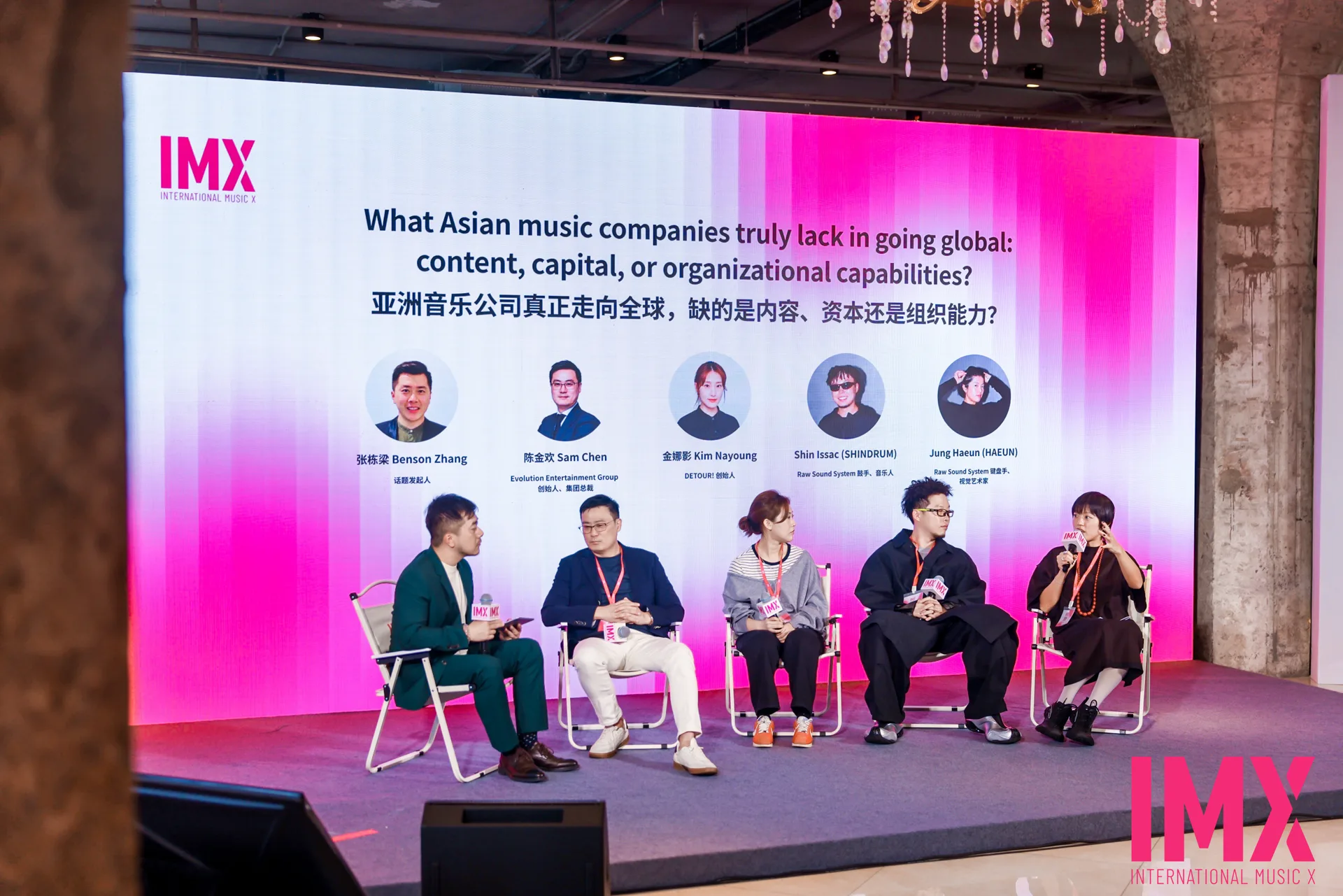
The morning opened with a high-stakes Asia Special roundtable: What Asian music companies truly lack in going global: content, capital, or organizational capabilities?
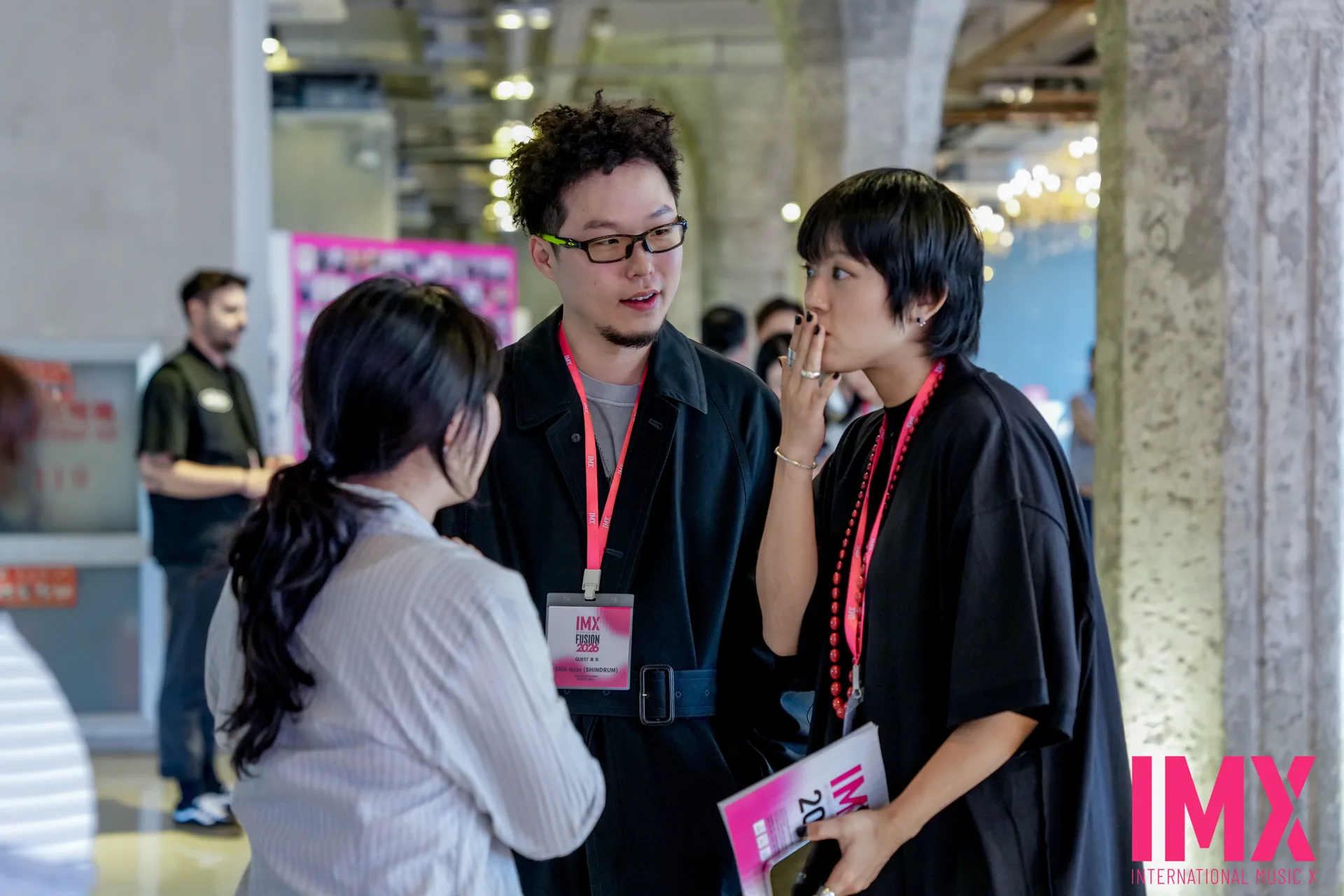
Moderated by Benson Zhang (CEO, Chapter 2 Entertainment), the panel brought together Sam Chen (Executive President, Evolution Entertainment Group / TSH48), Kim Nayoung (Founder, DETOUR!), and the visionary creative duo behind Korean hybrid band Raw Sound System—drummer Shin Issac (SHININSICK) and keyboardist/visual artist Jung Haeun (HAEUN).
The speakers dissected why Asian content frequently struggles to achieve lasting worldwide momentum despite massive regional scale. Sam Chen and Kim Nayoung emphasized that Western markets rarely suffer from an absence of capital or good songs; what Asian companies truly lack is long-term organizational infrastructure—dedicated overseas A&R networks, localized sync representation, transparent metadata clearing, and sustained brand narrative. Shin Issac and Jung Haeun offered the creator perspective, describing how independent artists must preserve authentic cultural specificity while partnering with global distributors who understand how to translate regional identity into universal appeal.
The Cultural Horizon: Where Will the Next Asian Pop Culture Emerge From?
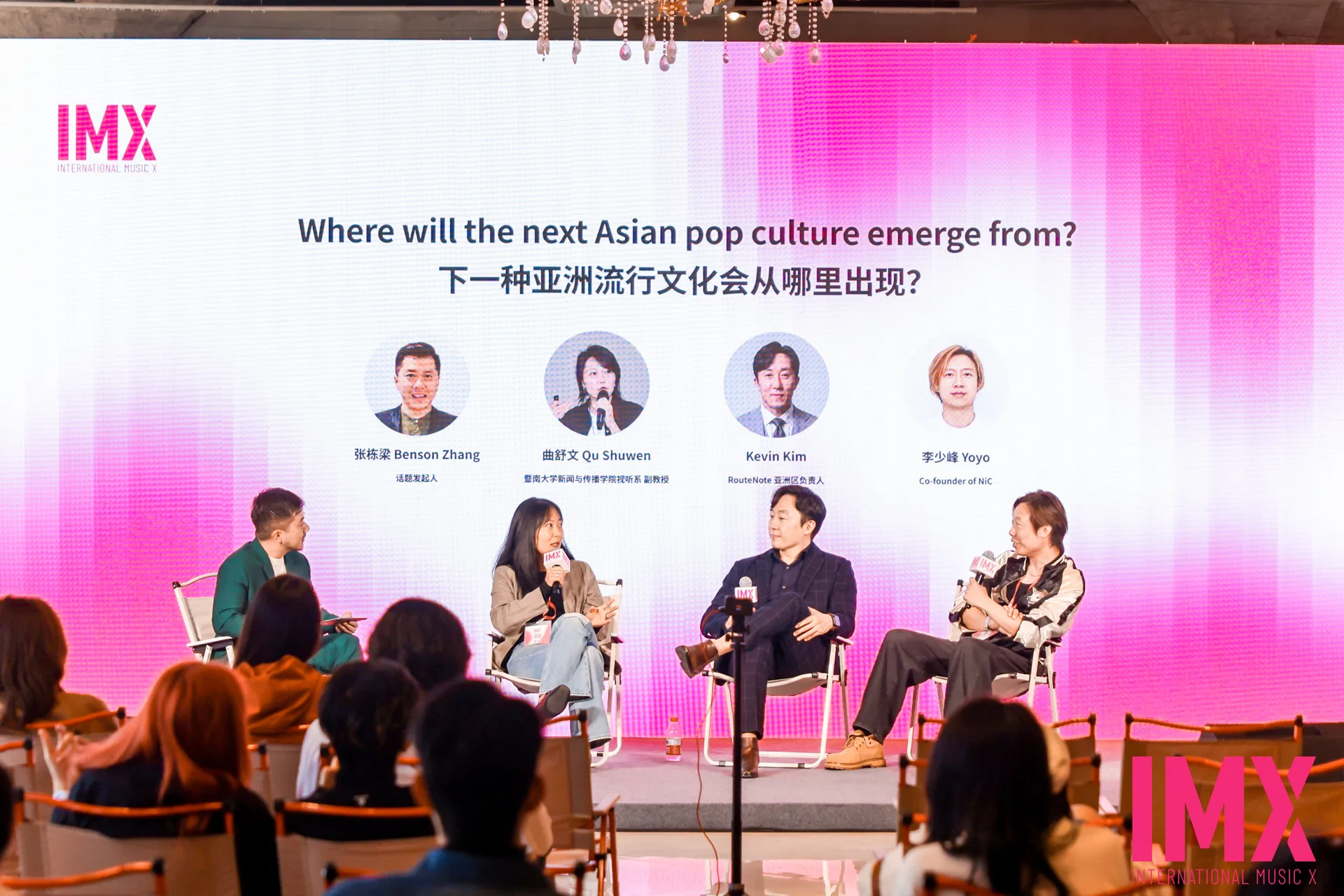
Building on the globalization debate, an incisive panel explored the shifting geographic centers of Asian cultural export: Where will the next Asian pop culture emerge from?
Benson Zhang guided a lively conversation between Qu Shuwen (Associate Professor, Jinan University), Kevin Kim (Head of Asia, RouteNote), and Li Yin (Co-Founder, New Inspire Culture).
The panelists compared Korea's industrialized idol apparatus, Japan's anime sync and legacy catalog economy, China's dynamic short-video platform virality, and the explosive grassroots growth across Southeast Asia (Thailand, Indonesia, the Philippines, and Vietnam). While centralized idol factories proved effective in the broadcast era, the panel concurred that the next global wave is far more likely to emerge from decentralized local scenes—fused through digital distribution and championed by tight-knit online micro-communities.
When the Body Hears Music: Integrating Sound into Psychology and Medicine
Midday brought one of the summit's most scientifically rigorous feature sessions. Psychotherapist and music therapist Niu Xiaona from the Shanghai Mental Health Center delivered a breakthrough presentation on An Observable Musical Experience – When the Body Hears Music: How Can Music Truly Become Integrated into Psychology and Medicine?
Demonstrating the direct neural impact of structured acoustic frequencies through real-time physiological telemetry—including electroencephalogram (EEG) readings, heart rate variability (HRV), and respiration rhythms—Niu illustrated how auditory stimuli act directly upon autonomic nervous system pathways. Her keynote established a firm boundary between subjective wellness relaxation and evidence-based clinical interventions, charting how targeted music therapies are demonstrating measurable efficacy in treating sleep disorders, chronic anxiety, pain management, and neuro-cognitive rehabilitation.
From Healing Music to Medical Products: What’s Still Missing?
Extending the neuroscience keynote into commercial and regulatory reality, a specialized roundtable addressed the hurdles separating functional soundscapes from certified healthcare solutions.
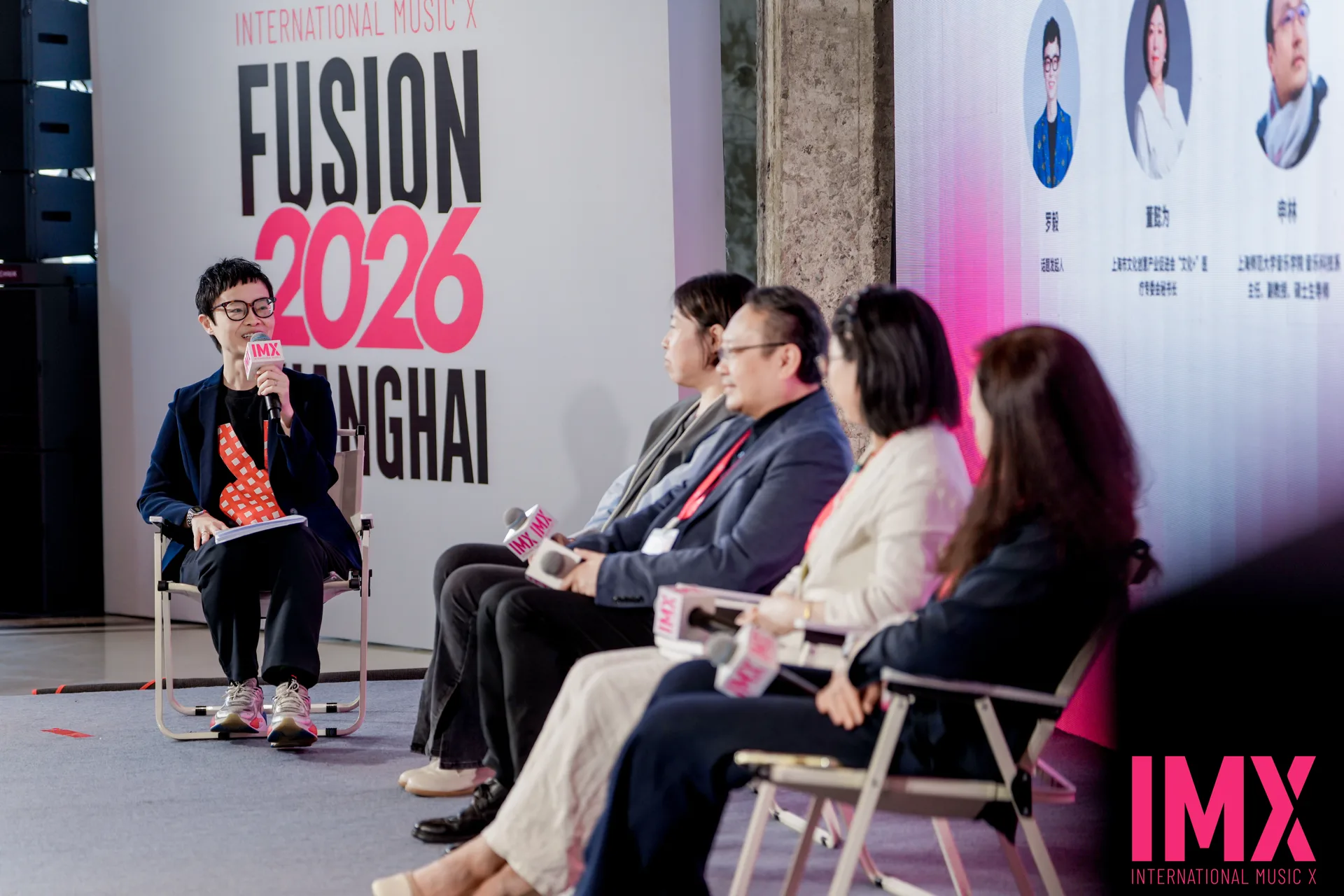
The panel united Dong Yiwei (Secretary-General, “Culture+” Healthcare Committee, Shanghai Cultural & Creative Industries Association), Shen Lin (Chair, Department of Music Technology, Shanghai Normal University College of Music), Tang Jiafang (Deputy Editor-in-Chief, Shanghai Music Publishing House), and Niu Xiaona.
The discussion confronted the entire pipeline: clinical trial validation, physiological data logging, medical device classification, clinician adoption, and insurance reimbursement. The speakers stressed that while millions of listeners consume ambient and functional music on commercial streaming platforms, transforming functional audio into regulated medical therapies requires rigorous scientific standardization and deep cross-disciplinary partnerships between hospitals, technology platforms, and copyright holders.
Milestone Industry Standard: Initiative for Healing Music Creation and Distribution Standards
The morning culminated in a historic milestone for the Asian healthcare and music sectors: the official launch ceremony of the Initiative for Healing Music Creation and Distribution Standards.
Joining Dong Yiwei, Shen Lin, and Tang Jiafang on stage was Shen Jia, Founder & Chairman of Kanjian Music. The initiative establishes a comprehensive framework to standardize acoustic parameter definitions, therapeutic metadata, research clinical pilots, and verified distribution channels connecting health institutions directly to commercial DSPs.
The launch marks a vital step in bridging academic clinical research with Kanjian Music's global distribution architecture, ensuring that healing music can be systematically created, clinically validated, and legitimately monetized across global markets.

Cross-Cultural Musical Fusion Through the Art of Sampling
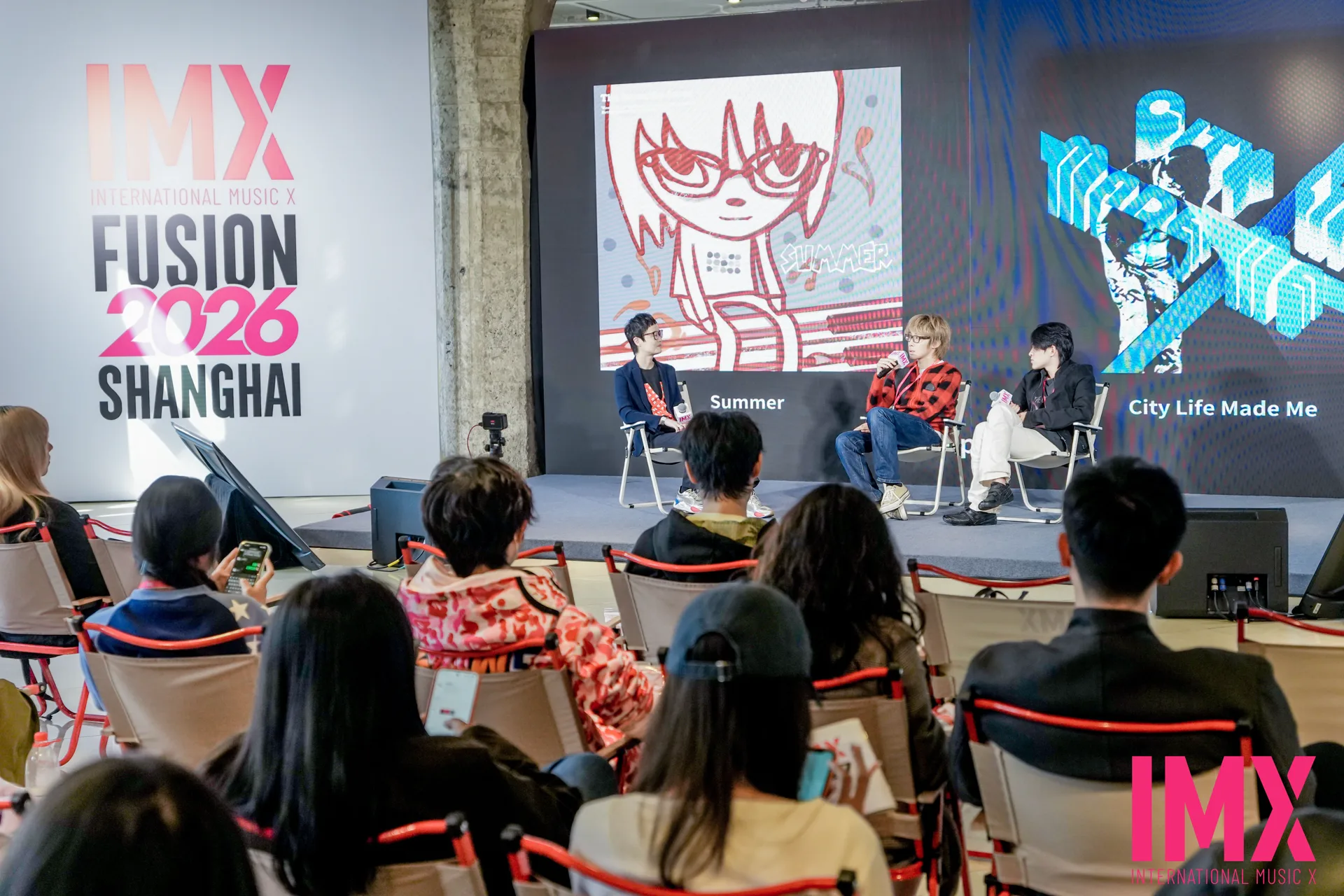
Following the standards launch, the midday program shifted to pure musical craft with an intimate Midday Music Chat: Cross-Cultural Musical Fusion through the Art of Sampling.
The session featured experimental electronic musician and producer delphia! (Virtual Adam) in dialogue with hitmaker producer and singer-songwriter ashywya. Exploring how sampling knits divergent cultural traditions and historical epochs into contemporary electronic, house, and pop tapestries, the duo unpacked the technical and philosophical nuances of sonic appropriation, rights clearances, and transforming vintage motifs into personal, spatial sound design.
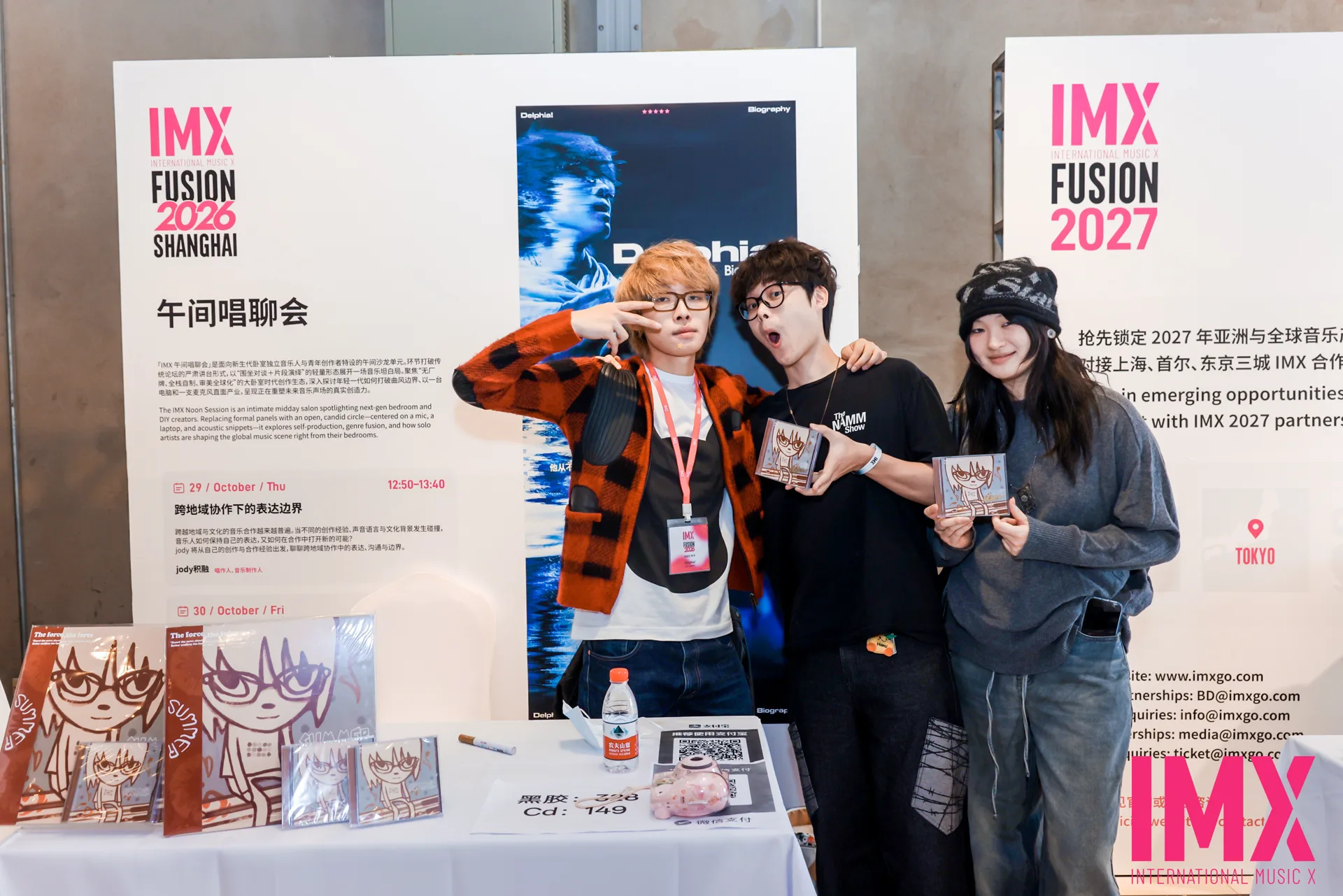
Outside the stage, delphia! and ashywya engaged directly with fans and industry peers at their dedicated vinyl, cassette, and CD signing booth, showcasing how tangible physical music artifacts remain highly coveted badges of identity in an era dominated by transient algorithmic streams.
The Age of Aesthetic Inflation: When AI Floods Feeds, Who Is Still Cultivating Taste?
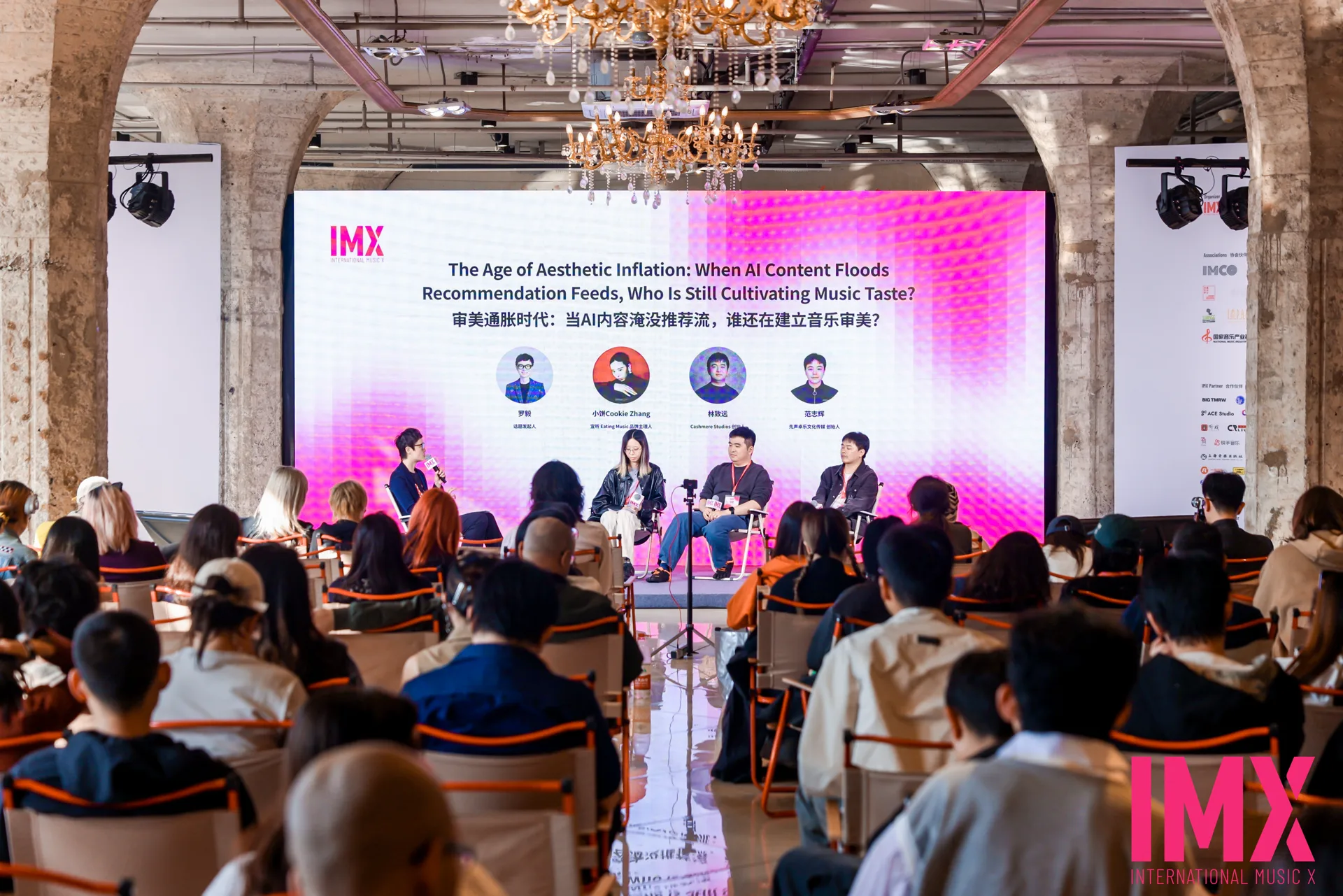
As the afternoon convened, the main stage hall filled to capacity for a defining cultural debate: The Age of Aesthetic Inflation: When AI Content Floods Recommendation Feeds, Who Is Still Cultivating Music Taste?
Moderated by Eastern Radio Shanghai host Luo Yi, the panel united three of China's most influential independent tastemakers: Cookie Zhang (Founder of Eating Music, Delivery Music, and RoundKat), Lin Zhiyuan (Founder of Cashmere Studios), and Fan Zhihui (Founder of leading music media outlet 音乐先声 / Yinyue Xiansheng).
The speakers tackled the crisis of sonic overabundance. In an environment where generative algorithms can pump out millions of functional tracks per hour, sheer access to sound has zero marginal cost—leading to severe aesthetic inflation. The panelists argued that the role of human curators, boutique record labels, independent vinyl shops, and critical journalism is more essential than ever. Algorithmic feeds optimize for passive retention, but human taste cultivation requires active friction, emotional context, cultural storytelling, and the courage to advocate for music that algorithms would overlook.
Kanjian's Music Industry Infrastructure: The Power of Scale and Connectivity
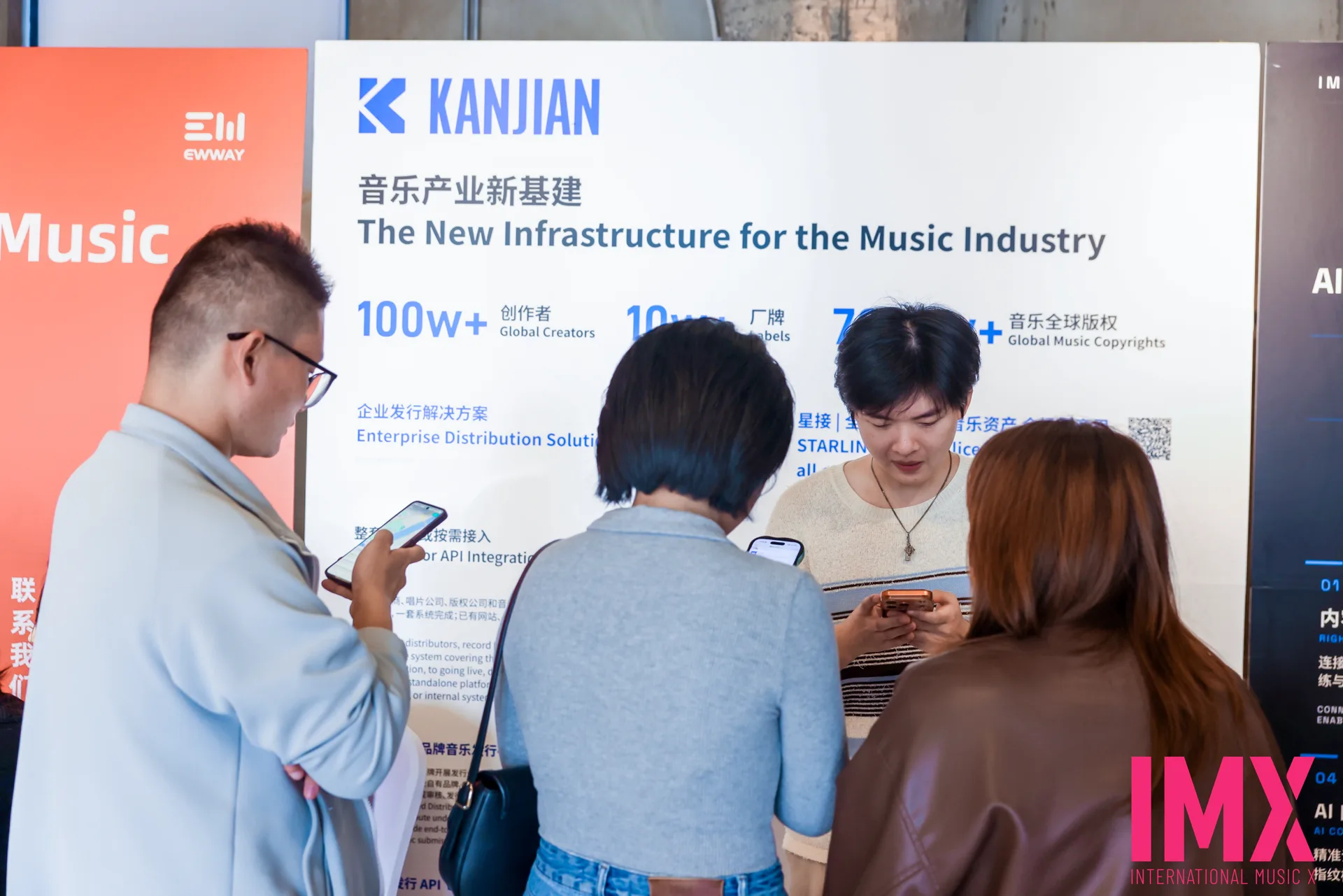
Throughout Day 3, the Kanjian Music Infrastructure exhibition in the central corridor drew continuous interest from international rights owners and delegates.
Highlighting Kanjian's global reach—spanning over 1,000,000 creators, 100,000 record labels, and a catalog exceeding 70,000,000 music copyrights—the showcase illustrated how enterprise distribution architectures, direct API ingestion, and automated rights clearing provide the robust operational bedrock that allows creative culture to thrive and monetize across Greater China and global DSPs.
Urban Scenarios: Live Music, Theaters, and Art Destinations
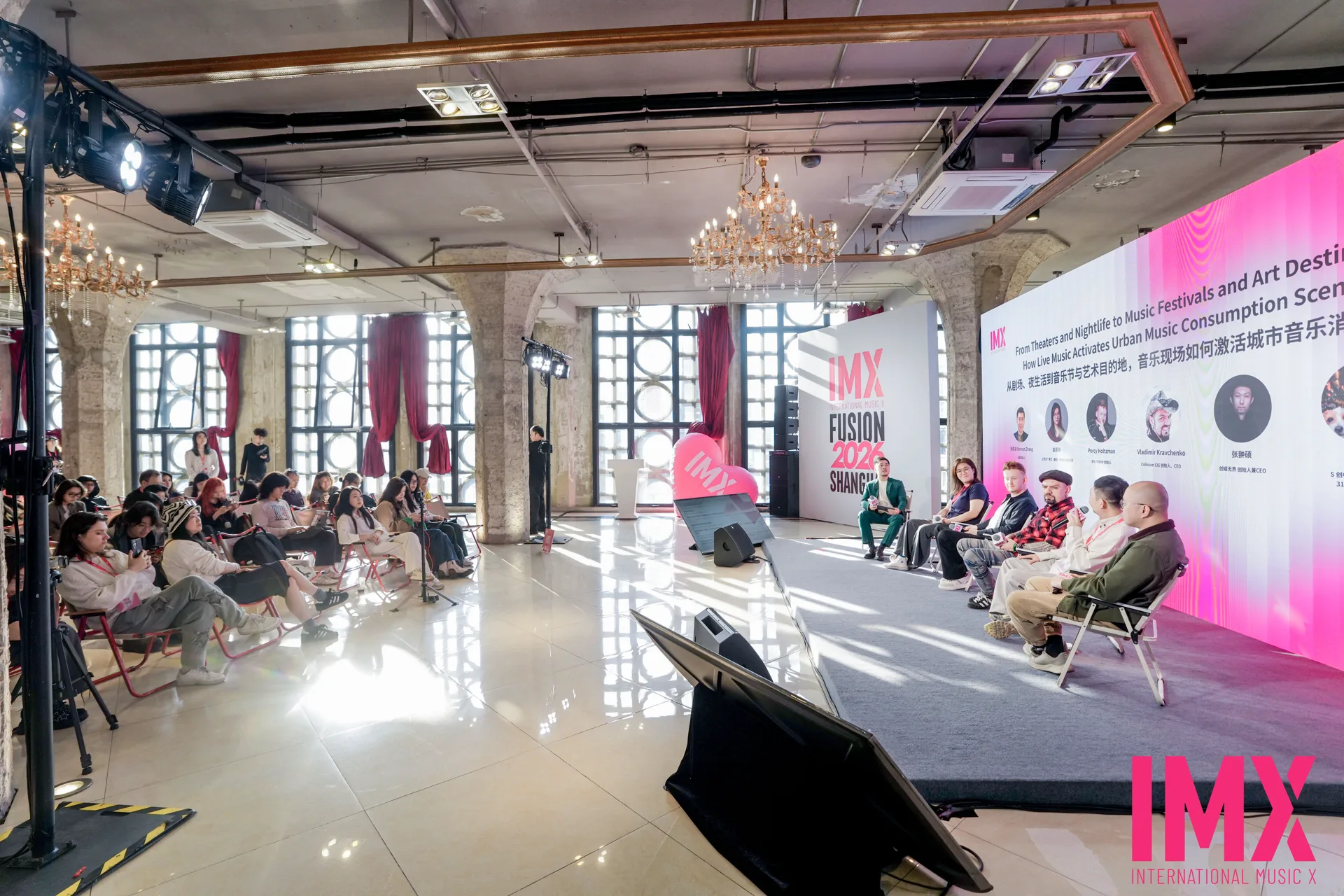
The afternoon turned toward the spatial reality of music with a heavyweight roundtable: From Theaters and Nightlife to Music Festivals and Art Destinations: How Live Music Activates Urban Music Consumption Scenarios.
Moderator Benson Zhang convened leaders shaping China's and the world's live entertainment landscape: Chenlin Zhao (Vice President, SMG LIVE), Percy Holtzman (Founder, BIG TMRW), Hu Kai (Producer, 318 Life Festival), Vladimir Kravchenko (Founder, Colisium International Music Forum), and Zhang Chongshuo (Founder & CEO, Sparkle Live Entertainment).
The panel explored why physical live attendance has surged post-pandemic despite the infinite abundance of digital music. The speakers highlighted that live concerts, underground clubs, and music festivals do not merely sell sound; they sell unrepeatable shared time, bodily presence, acoustic imperfection, and authentic community belonging. From massive outdoor destination festivals like 318 Life to intimate theater productions, live performance anchors urban cultural identity in ways digital streams can never replace.
The Self-Cultivation of Musicians in the AI Era
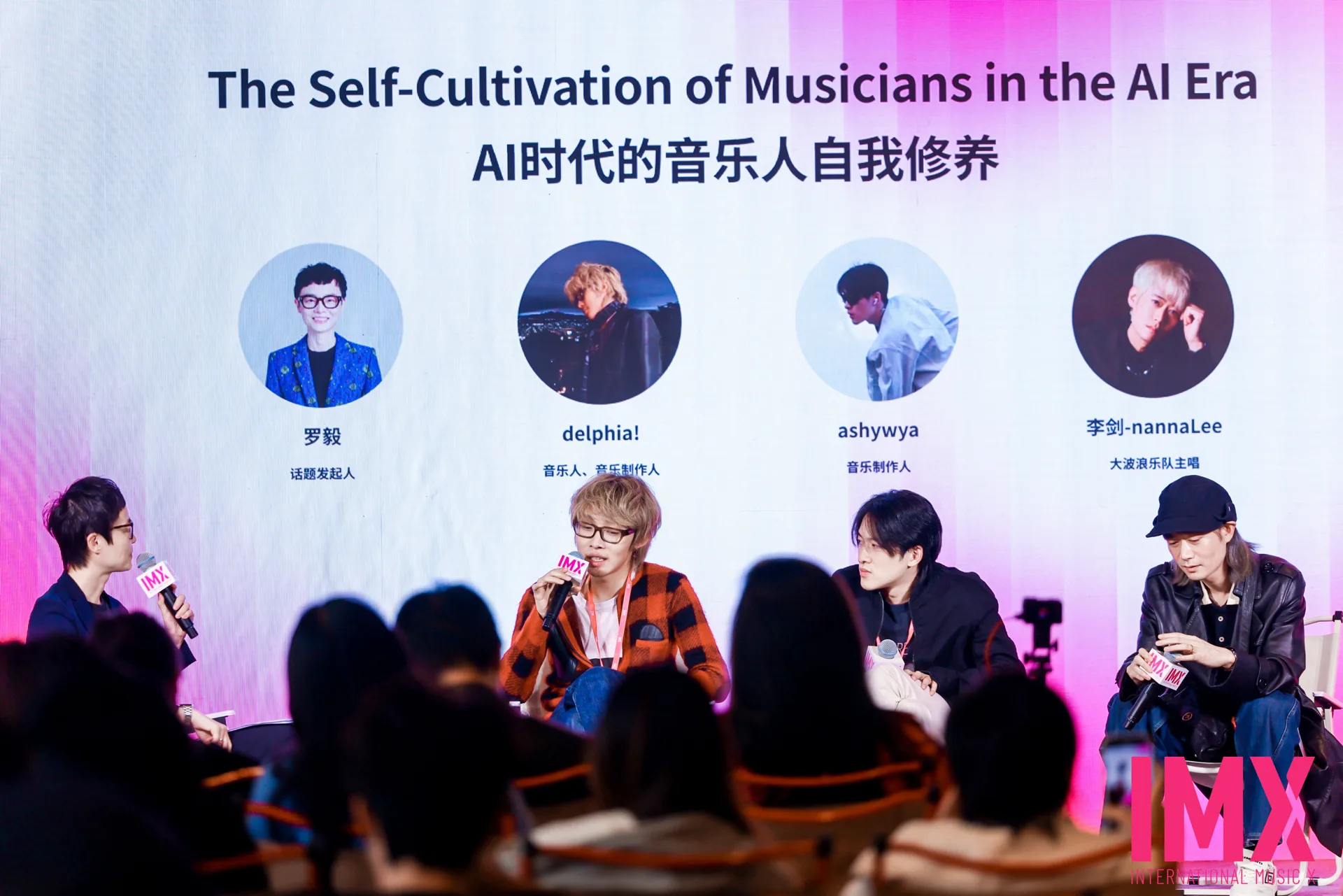
Transitioning back to the artist's studio, Luo Yi hosted a candid, practical dialogue: The Self-Cultivation of Musicians in the AI Era.
Joining the stage were delphia!, ashywya, and Li Jian (nannaLee, charismatic lead vocalist of legendary Chinese new wave act Da Bolang Band).
The musicians demystified their daily relationship with machine intelligence. Rather than viewing generative AI as a hostile threat, the artists described using neural tools as creative sparkplugs—speeding up arrangement iterations, exploring unexpected chord voicings, and testing dynamic stem mixes. Yet, Li Jian and his fellow panelists insisted that technological leverage only amplifies the necessity of a defined artistic core. An artist's worldview, vocal timbre, emotional lived wounds, and live stage magnetism are what connect with human listeners; without that core, AI assistance merely accelerates mediocrity.
The Next Star: Discovered by Algorithms, Designed by AI, or Believed in by People?
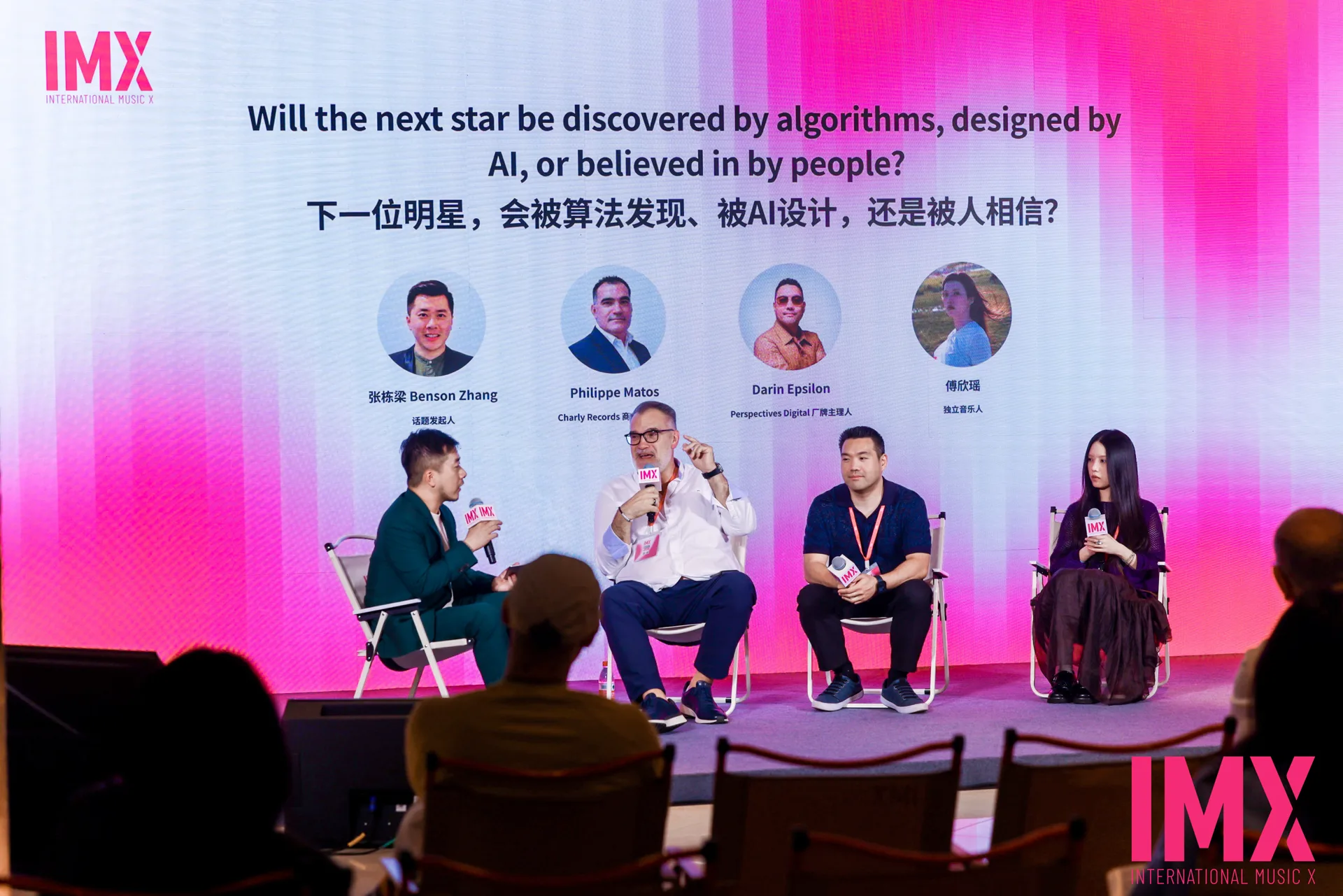
Heading into the late afternoon, an international A&R panel tackled the mythos of modern stardom: Will the next star be discovered by algorithms, designed by AI, or believed in by people?
Moderated by Benson Zhang, the discussion united Philippe Matos (Business Development Director, Charly Records, UK), Darin Epsilon (internationally acclaimed producer, DJ, and Founder of Perspectives Digital, USA), and independent singer-artist Fu Xinyao.
The speakers dissected the limits of algorithmic A&R. While big data and streaming telemetry can spot viral anomalies and rising BPM trends, they cannot predict charisma, emotional resilience, or long-term cultural staying power. Philippe Matos and Darin Epsilon shared veteran perspectives on how true stars are forged: through relentless touring, authentic interpersonal chemistry, and champions within labels and communities who believe in the artist long before the data turns green. Fu Xinyao emphasized that modern audiences possess a finely tuned sensor for manufactured personas; long-term fandom is earned through vulnerability and uncompromised authenticity.

The Grand Closing Conversation: When AI Can Generate Everything, Why Should Humans Continue to Create Music?
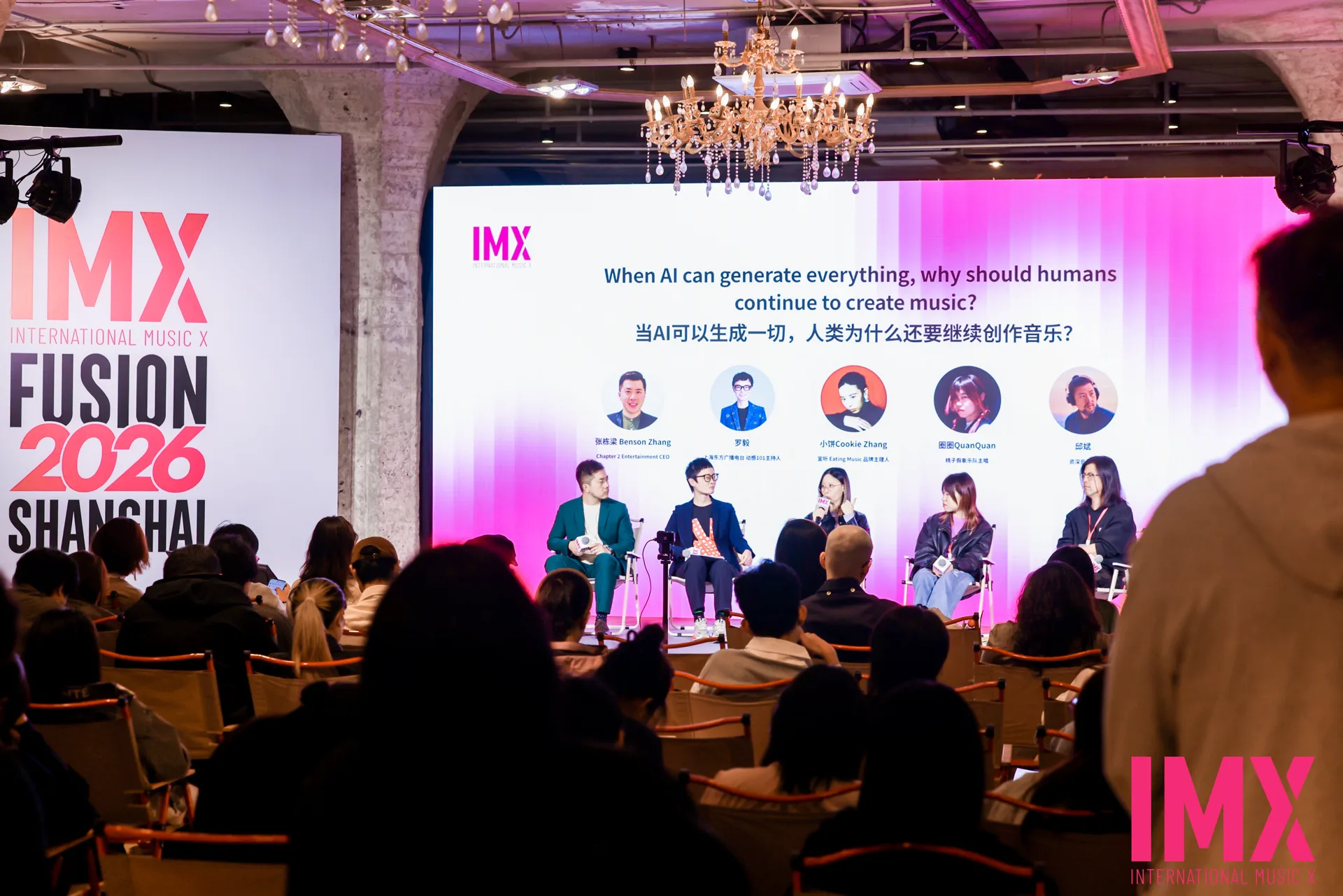
As dusk fell over Shanghai, IMX convened its most anticipated philosophical dialogue—the existential question the entire summit had built toward: When AI can generate everything, why should humans continue to create music?
The closing conversation gathered Benson Zhang, Luo Yi, Cookie Zhang, Quanquan (lead vocalist of beloved indie act Peach Illusion), and summit leaders before a packed, spellbound audience.
The panel articulated a profound defense of human artistry. If machine learning models can instantly compose broadcast-ready pop ballads, synthesize virtuosic guitar solos, and emulate any vocal inflection, why should human beings spend months laboring over an album?
The speakers responded with singular conviction: music is not merely an acoustic consumable or an algorithmic data payload. Music is human testimony. It is the transmission of personal grief, collective ecstasy, physical vulnerability, and shared historical memory from one mortal heart to another. We do not make music because the world lacks audio files; we create music because humans have an irrepressible need to express what cannot be spoken, to console one another in solitude, and to leave a living trace of our existence. Technology will continually transform the tools of distribution and production, but the emotional spark and the human reason to create will endure as long as people walk the earth.
IMX 2026 Shanghai Concludes: The Journey to Tokyo Begins
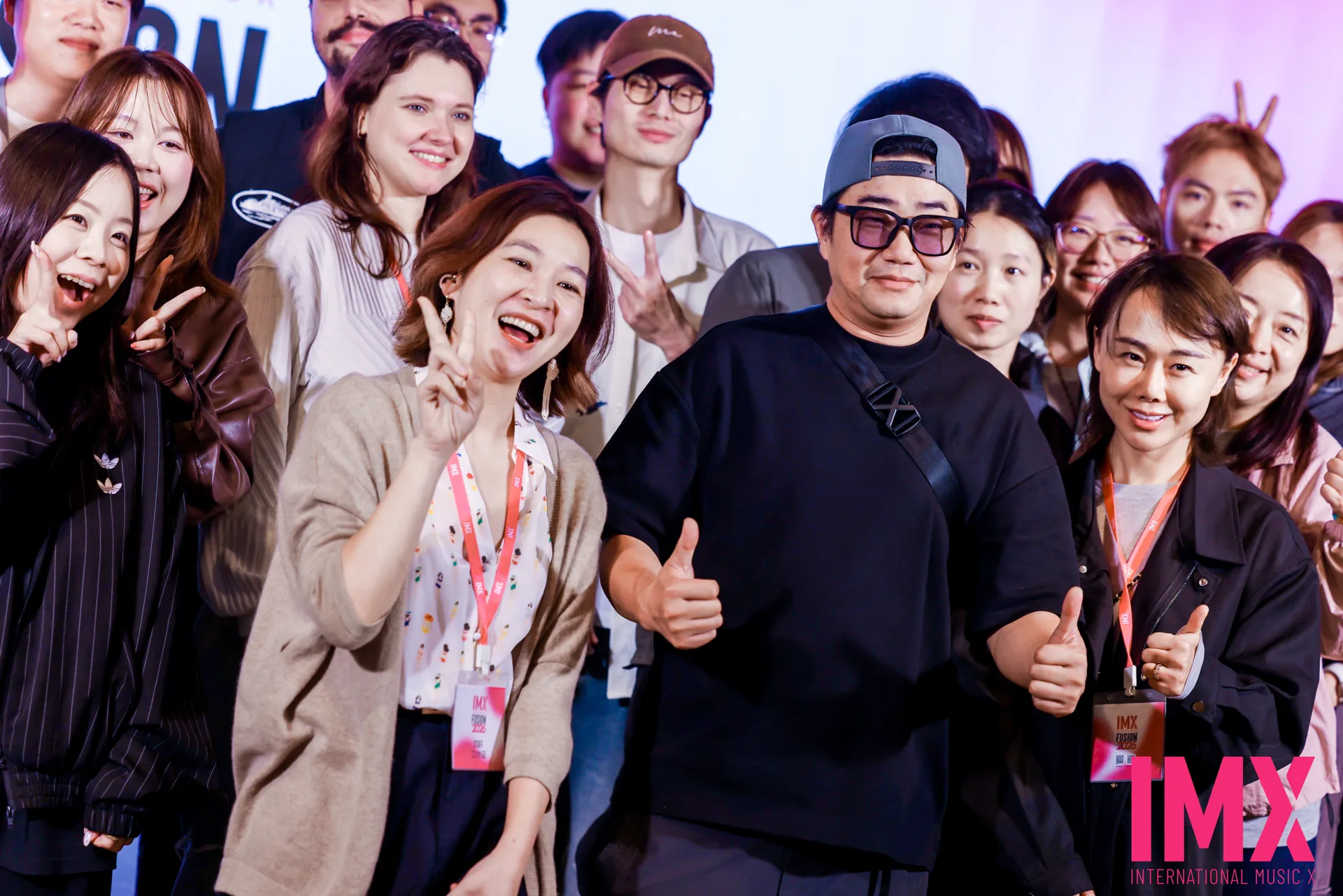
Following the closing conversation, Shen Jia, Founder & Chairman of Kanjian Music, joined the organizers, speakers, and international delegates on stage for a triumphant summit finale. Amid applause and shared celebrations, the conclusion of IMX 2026 Shanghai marked three unforgettable days of groundbreaking ideas, cross-border alliances, and deep creative community.
With the Shanghai summit officially wrapped, the IMX Asia Circuit now turns its gaze toward the next horizon: IMX Tokyo on Wednesday, November 4, 2026, where the conversation on regional rights, music technology, and global discovery will continue.
Other Articles
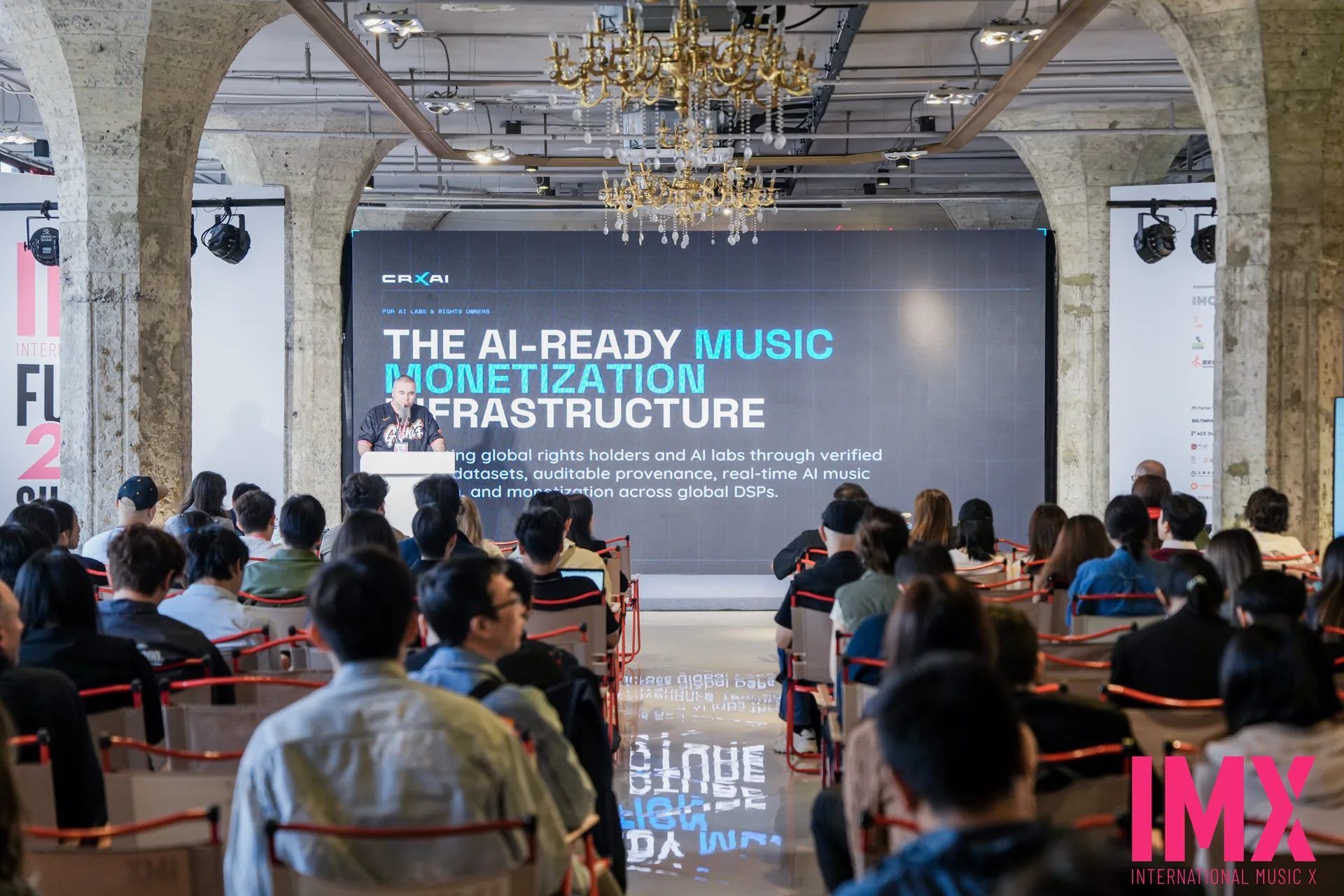
IMX 2026 Shanghai Day 2 Recap: The AI Frontier, Enterprise Showcases, and What Changes When Machines Run Operations
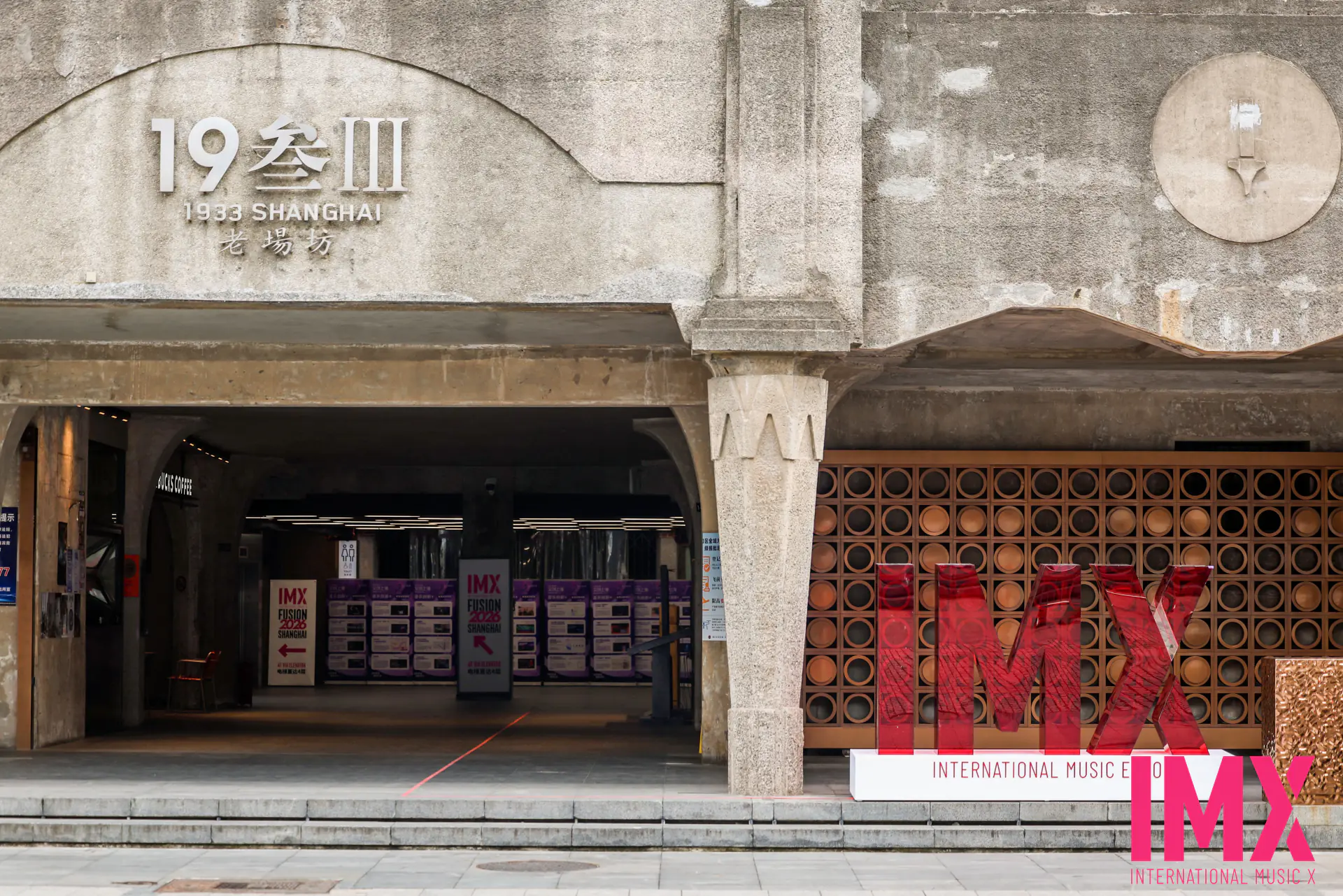
IMX 2026 Shanghai Day 1 Recap: Industry Foundations, Global Corridors, and What Remains Scarce in the AI Era

IMX Reschedules Seoul Edition to 2027 and Rallies Global Network in Full Support of the Seoul Music Forum

IMX 2026 Announces the Second Confirmed Speakers
IMX 2026 Announces the First Confirmed Speakers
IMX Unites IMCJ, LIAK, SIMCA & A2IM For APAC AI-Ready Music Monetization Summit

IMX 2026 Sponsorship Opportunities: The Global Advantage

One Trip, Three Markets: The Shanghai-Seoul-Tokyo Circuit

IMX Seoul Announces Co-Hosting With LIAK And IMFS

Announcing IMX Almaty And IMX İstanbul 2026 Co-Hosts

IMX 2026 Spotlights AI, Rights Tech & Web3 Music Innovation

Trade Missions Open: Connecting European & American Delegations to APAC

Open Call for International Artist Showcases across 5 Circuit Cities
