

Seoul
IMX Seoul has been rescheduled to 2027 to anchor an expanded, fully synchronized East Asian circuit across Shanghai, Seoul, and Tokyo. For autumn 2026, IMX is directing its full international speaker network, overseas delegates, and industry momentum into supporting our esteemed partners at LIAK and the Seoul Music Forum (SMF). International delegates are encouraged to experience the best of Korea's independent music ecosystem through SMF as part of their unified East Asian trade journey.
Planning Your Visit to Seoul
Seoul is an incredibly futuristic city optimized for global visitors. Navigate your arrival and transit effortlessly with these straightforward instructions.
Visas and Border Entry
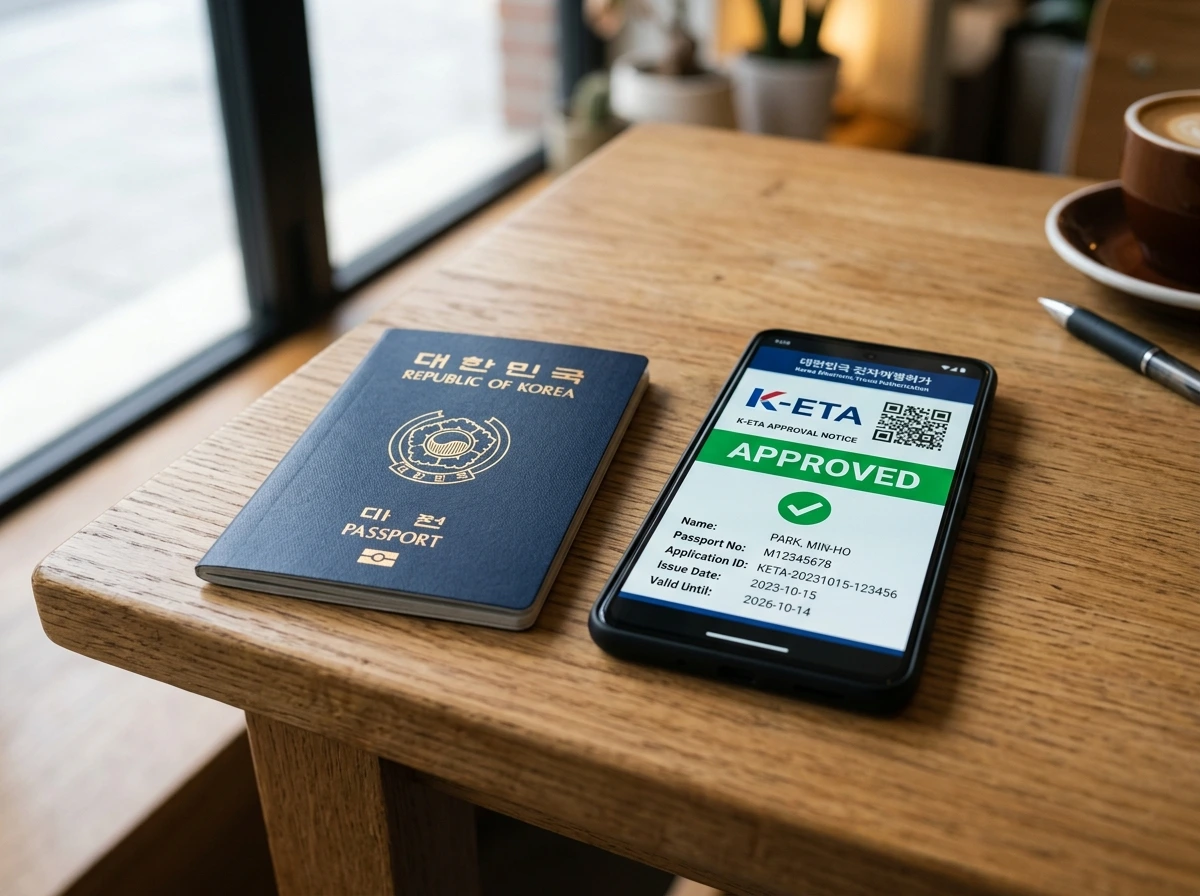
K-ETA Exemption (2026): South Korea has extended its K-ETA exemption through December 31, 2026, for citizens of 67 countries — including the US, Canada, the UK, Australia, and Singapore. If your passport is from one of these countries, no K-ETA application or payment is required.
Mandatory e-Arrival Card: Regardless of K-ETA exemption status, all attendees must complete a digital e-Arrival Card before boarding. The form is free and must be submitted within 3 days of your flight’s arrival date. Completing it at immigration is possible, but will cost you significant time in the queue.
Visas and Supporting Documentation: Attendees whose passports are not covered by the K-ETA exemption will need to apply for a standard South Korean visa in advance. For those who have successfully registered, our Organization can provide official Letters of Invitation and any other supporting documentation that may be needed.
Passports: Standard 6-month validity rules apply.
Arrival and Ground Transportation
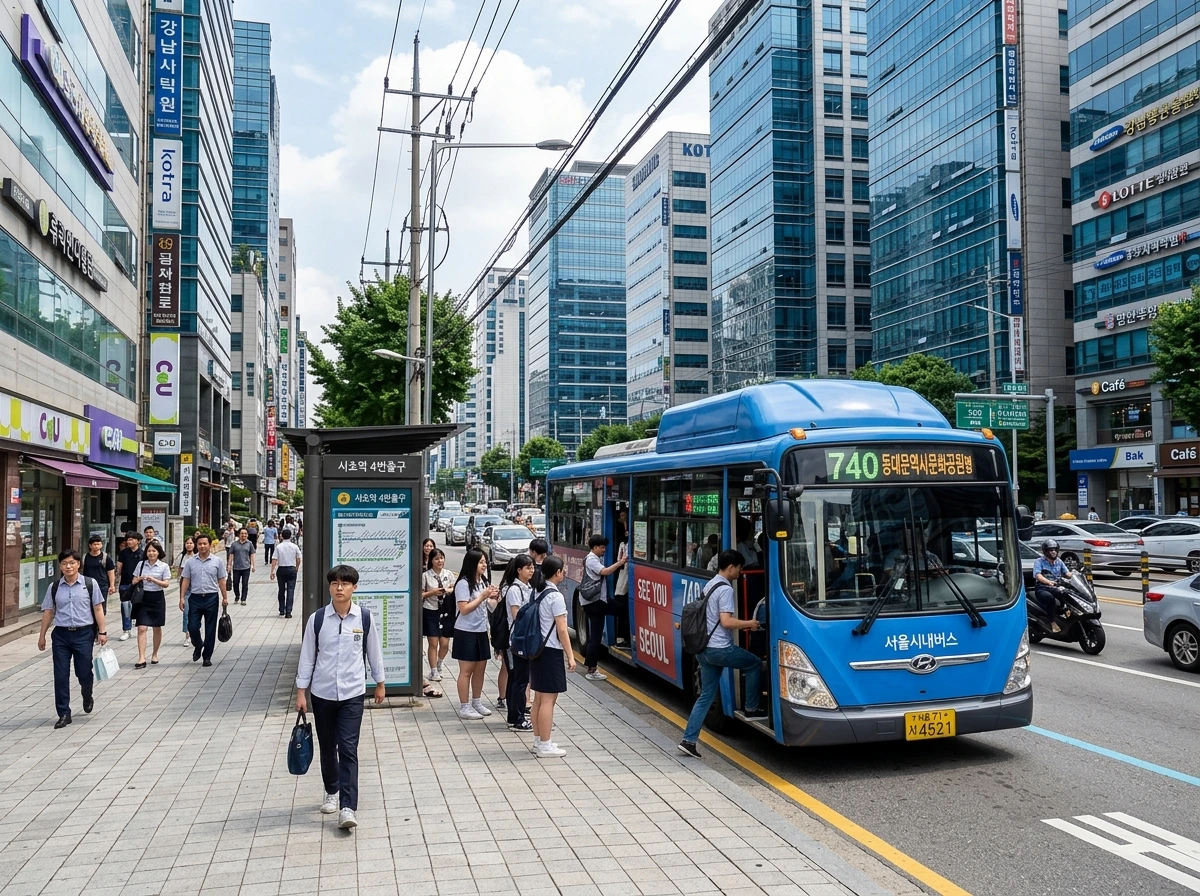
Airport: Most international flights arrive into Incheon International Airport (ICN) — a large, modern facility located approximately one hour from the city center.
The AREX Train: The most comfortable and reliable way into the city is the Airport Railroad Express (AREX). The Express Train runs non-stop to Seoul Station, costing 13,000 KRW (around $10 USD) and taking approximately 40–50 minutes. The All-Stop Train is cheaper and takes just under an hour, with more frequent departures. Note that the last train departs just before 11:00 PM — late-night arrivals will need alternative arrangements.
Navigation Apps: Google Maps has historically been unreliable in South Korea due to national security restrictions on map data exports, and while a policy change in early 2026 signals improvement, transit directions and bus routing remain inconsistent. We recommend downloading Naver Map or KakaoMap before you arrive — both have strong English interfaces and are far more dependable for getting around the city.
Taxis and Ride-Hailing: Taxis are safe and reasonably priced, but most drivers do not speak English — have your hotel address saved in Korean (Hangul) before you set off. Uber operates in Seoul but functions as a front-end for local Kakao T taxis rather than an independent service.
Money, Payments, and Tipping
Currency: The South Korean Won (KRW).
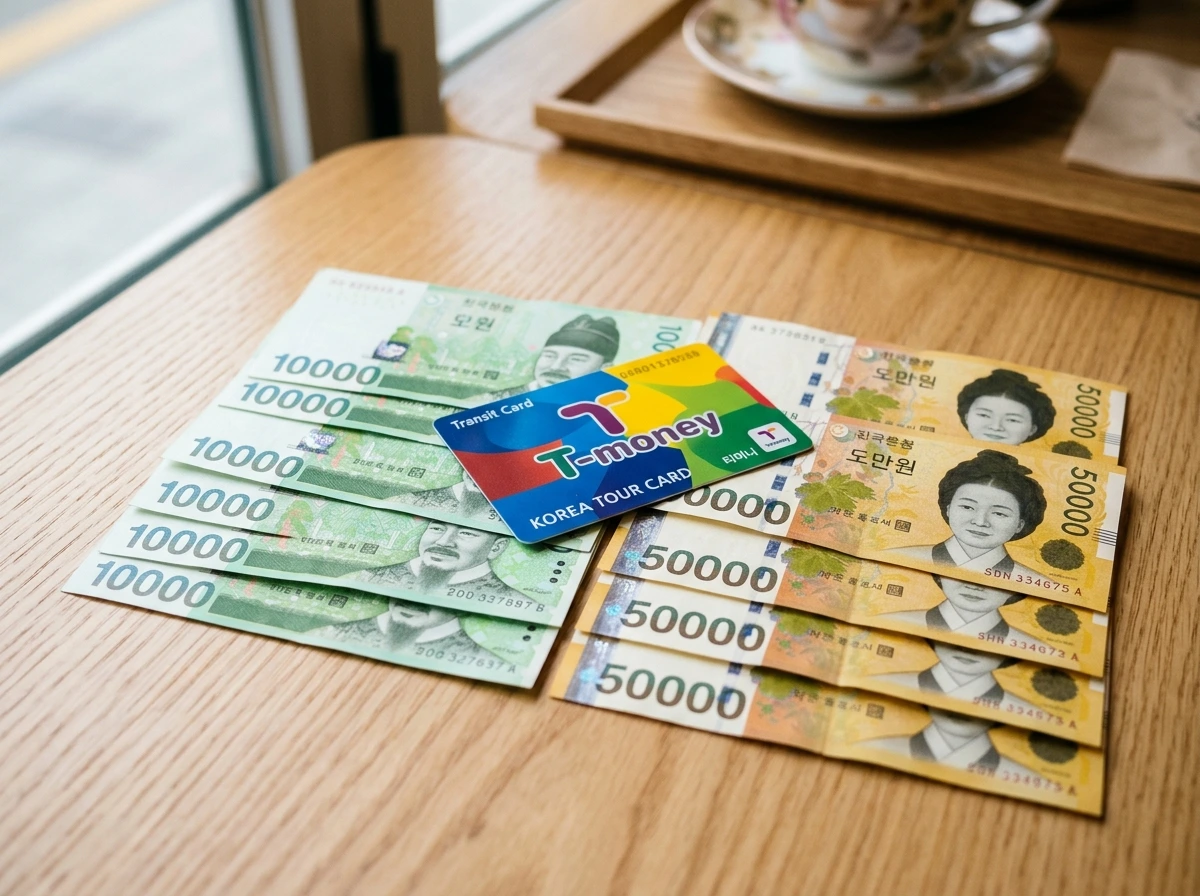
Cards and Cash: Seoul is highly digitized — international Visa and Mastercard are accepted at the vast majority of restaurants, hotels, and cafes. That said, we recommend carrying around 50,000 KRW (approximately $35 USD) in cash for street food vendors and transit top-ups.
T-Money and Climate Card: Anyone using the subway will need a T-Money card to tap in and out. These are available at any convenience store and work across all metro lines, buses, and taxis. For attendees planning to use public transit heavily within Seoul, the Climate Card is worth considering — a 3-day pass costs 10,000 KRW and can now be purchased with an international credit card directly at subway kiosks.
Tipping: Tipping is not practiced in South Korea — not in restaurants, taxis, or hotels. Much like in other parts of East Asia, leaving cash on the table will likely result in a server chasing you down the street to return your "forgotten" change.
Connectivity and Power
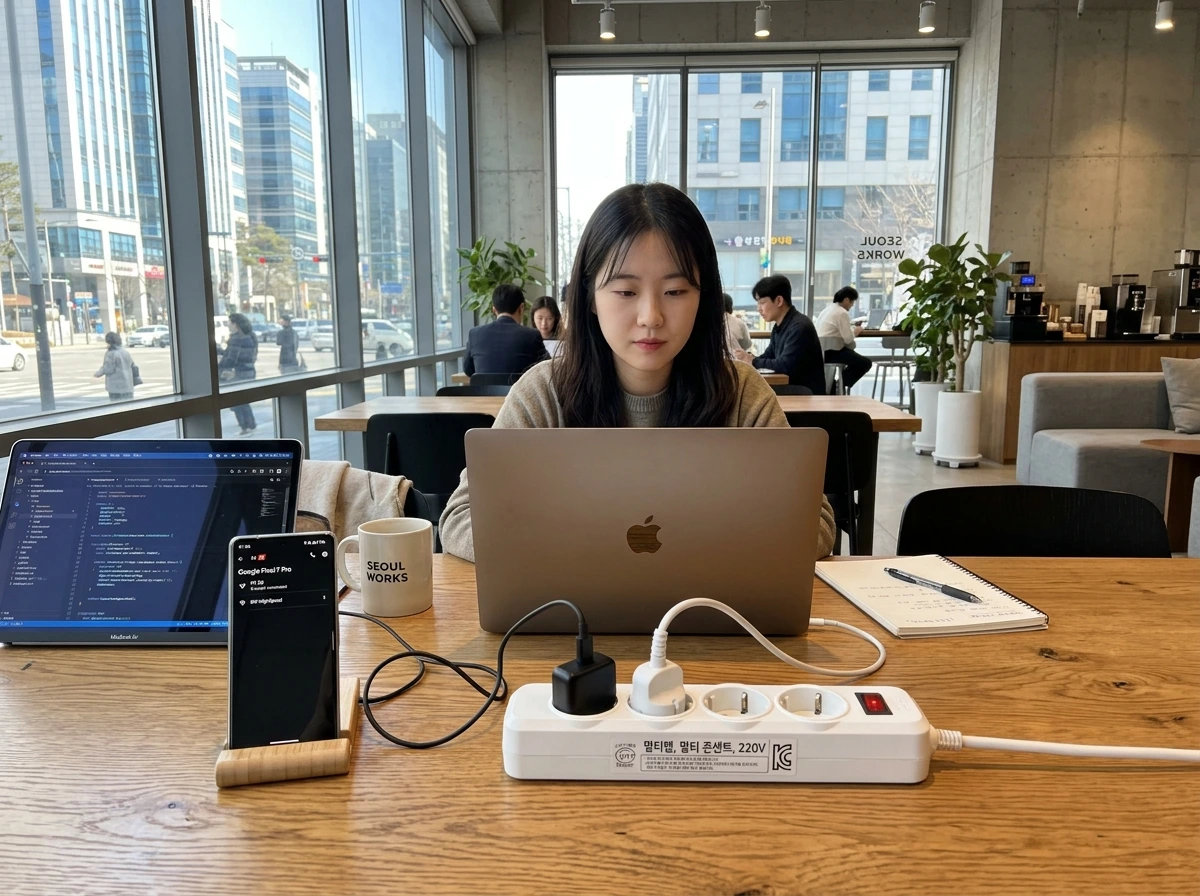
Plugs and Voltage: South Korea uses standard European Type C and F plugs at 220V.
Staying Online: South Korea has some of the fastest mobile internet in the world, and connectivity is rarely an issue. Free Wi-Fi is available almost everywhere — including on the subway. For personal data, the easiest option is a travel eSIM purchased before departure. Alternatively, physical SIM cards and portable Wi-Fi "egg" devices are available for rent or purchase directly at the Incheon arrivals hall.
Dining, Dietary Needs, and Culture
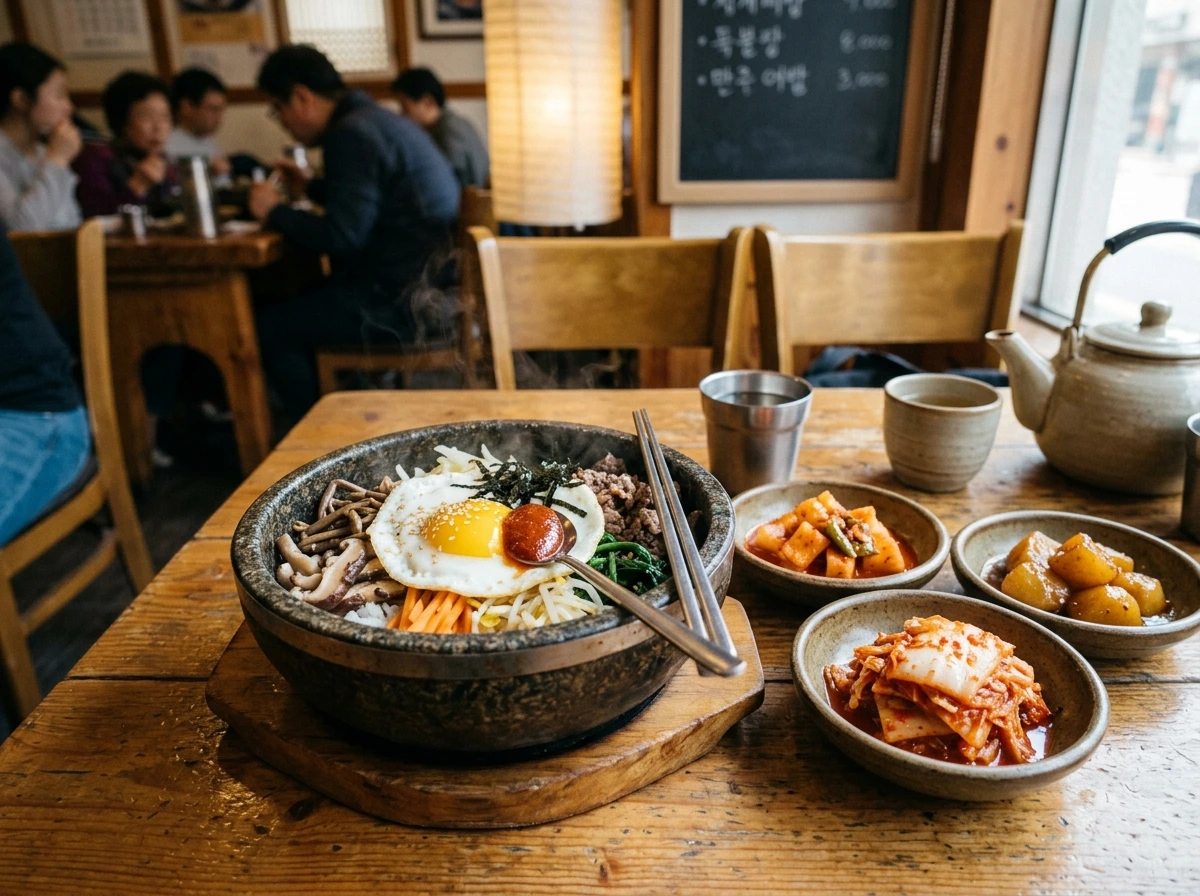
How Dining Works: Korean restaurants are built for efficiency. Most tables have a call button to summon your server — don't wait to make eye contact. Cutlery and napkins are typically stored in a pull-out drawer built into the side of the table, which catches most first-timers off guard.
Local Culinary Highlights: A communal Korean BBQ dinner (Gogi-gui) is non-negotiable — find a table with a grill in the middle and commit to the experience. For street food, markets are the place to go: Tteokbokki (spicy rice cakes) and Hotteok (sweet stuffed pancakes) are the two classics worth seeking out.
Dietary Restrictions: Strict vegetarians and vegans will need to plan ahead. Many dishes that appear vegetable-based are prepared with fish sauce, shrimp paste, or meat broths, making it difficult to navigate standard restaurants. The most reliable option is to seek out dedicated vegan restaurants or traditional Buddhist Temple food establishments, which are strictly plant-based — and notably omit pungent alliums like garlic and onion as well. For Halal options, the Itaewon neighborhood is the main hub in the city.
Tap Water: Seoul's tap water is safe to drink. Locals tend to prefer filtered or bottled water for taste reasons, but you won't have any issues drinking from the tap. Water at restaurants is always free and typically self-serve.
Curated Tourism and Neighborhoods
The City Divide: Seoul is split by the Han River into two distinct characters. Gangbuk, to the north, is the historical and cultural heart of the city — home to its palaces, traditional neighborhoods, and older commercial districts. Gangnam, to the south, is the modern, wealthy, and heavily commercialized side, better known for high-end shopping, business, and nightlife.
Must-Sees — Gyeongbokgung Palace: The largest and most iconic of Seoul's royal palaces. Worth noting: entry is free if you arrive wearing traditional Hanbok clothing, which can be rented from shops in the surrounding area.
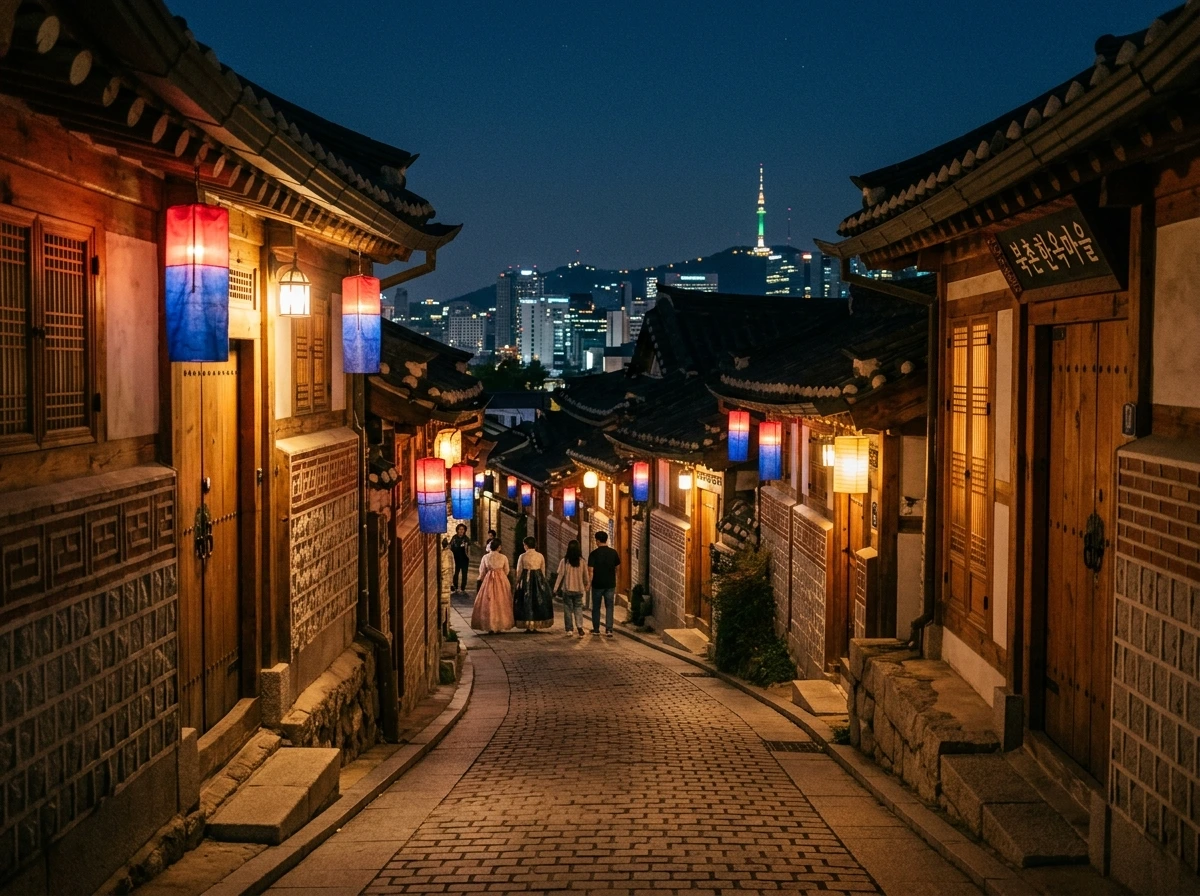
Must-Sees — Bukchon Hanok Village: A hilly residential neighborhood scattered with hundreds of traditional Korean houses dating back to the Joseon Dynasty. Best explored on foot in the morning before the crowds arrive.
Must-Sees — Gwangjang Market: One of the oldest traditional markets in Seoul — sprawling, chaotic, and one of the best places in the city to eat. Go hungry.
Etiquette: When handing over cash or a credit card — whether to a cashier, a server, or a taxi driver — use both hands, or support your right arm with your left. It is a small but meaningful gesture of respect that locals will notice. On public transport, keep noise to a minimum; talking loudly on the subway is considered quite rude.
Need assistance with dynamic visa applications?
Our helpdesk can provide formal invitation letters for attendees who have successfully registered.