


Tokyo
IMX Tokyo takes place in the second largest music market in the world. Centering on mechanical physical assets, advanced sound technologies, high-fidelity venue experiences, and intellectual property monetization, IMX Tokyo acts as a vital bridge for international rights-holders.
Metro — Exit A0 of Shibuya Station (Tokyu / Tokyo Metro) is about a 1-minute walk; JR Shibuya Station's Hachiko Exit is about 2 minutes.
Car — Book a ride with GO — Japan's standard ride-hailing app — or navigate with Google Maps to "Glade Park Shibuya" or the address above.
What’s on in Tokyo
4 November 2026 · 1 conference dayThemes and session outlines for each conference day are now live. Speakers are announced separately as they are confirmed.
Planning Your Visit to Tokyo
Tokyo is an immersive destination globally celebrated for its absolute punctuality and legendary hospitality. Follow our local tips below to arrange your journey.
Visas and Border Entry
Visa-Free Entry: Citizens from over 70 countries — including the US, Canada, the UK, Australia, and most of Europe — can enter Japan visa-free for tourism and business conferences for stays of up to 90 days.
Visas and Supporting Documentation: Attendees whose passports are not covered by the visa-free exemption will need to apply for a Japanese visa in advance. For those who have successfully registered, our Organization can provide official Letters of Invitation and any other supporting documentation that may be needed.
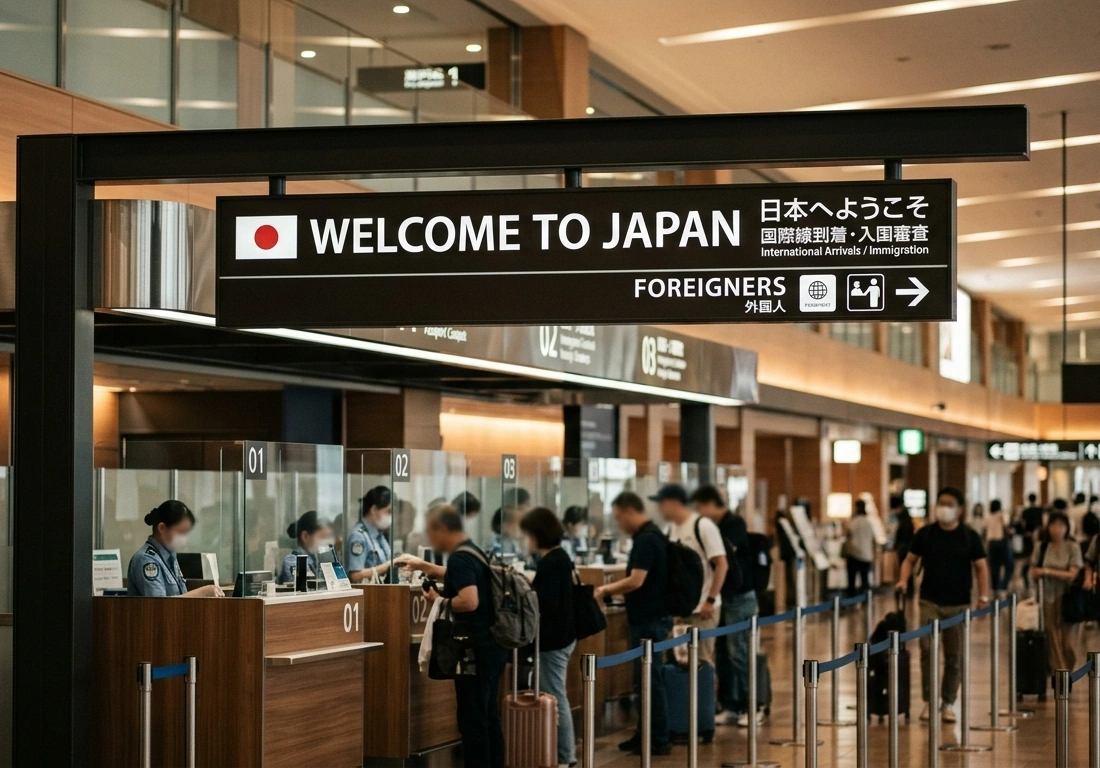
Visit Japan Web: All attendees should create an account on the Visit Japan Web portal before departure. Passport details and digital Immigration and Customs declarations are submitted here in advance, generating QR codes that can be scanned at airport kiosks on arrival — significantly reducing time at immigration. Paper forms remain available, but the digital route is now the standard and strongly recommended.
Passports: The standard 6-month validity recommendation applies.
Arrival and Ground Transportation
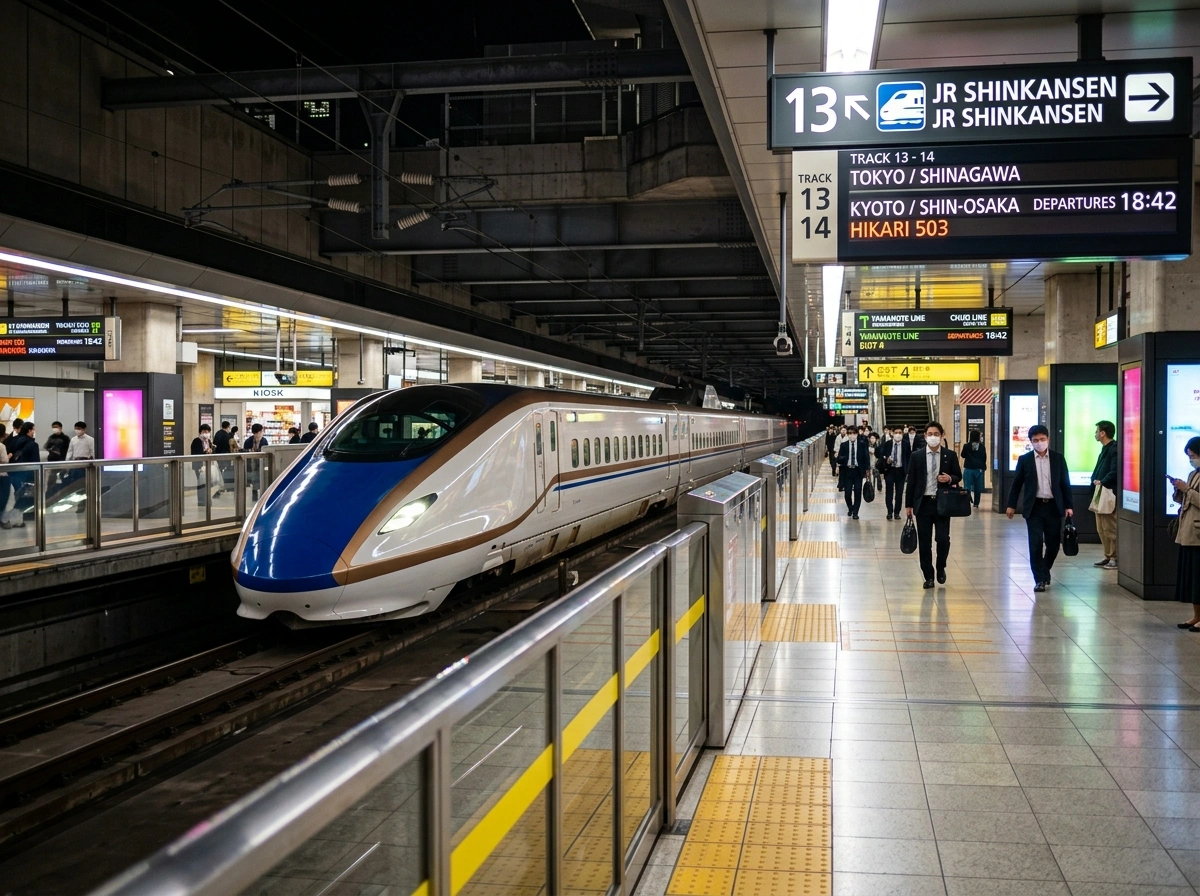
Airports: Tokyo is served by two main airports — Haneda (HND), which is significantly closer to the city center and the preferred option for most visitors, and Narita (NRT), located roughly an hour outside the city.
From Haneda: The quickest routes into central Tokyo are the Tokyo Monorail, which connects to the Yamanote Line, or the Keikyu Line, and runs directly to several central stations. Taxis are available but considerably more expensive.
From Narita: A taxi from Narita is a less viable option as its cost may run into the hundreds of dollars. Attendees are recommended to take the Narita Express (N’EX), which connects directly to major hubs including Tokyo Station, Shinjuku, and Shibuya, or the Keisei Skyliner for those heading toward Ueno or Asakusa.
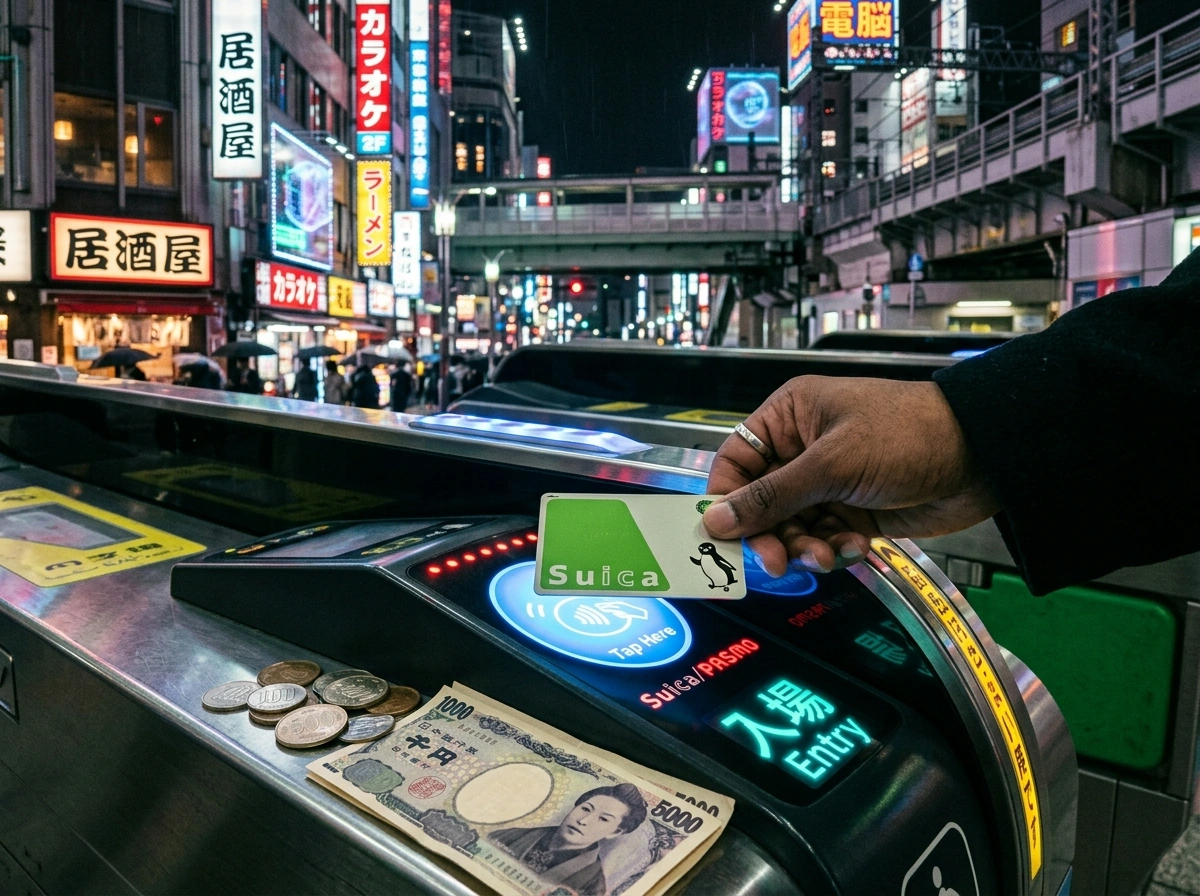
IC Cards — Suica and PASMO: An IC card is essential for navigating Tokyo's train and subway network. iPhone users can add a digital Suica or PASMO directly to their Apple Wallet before leaving home. Android users and those who prefer a physical card can pick up a Welcome Suica or Tourist PASMO at the airport on arrival.
Tokyo Subway Ticket: For attendees planning to use the metro heavily, the 24, 48, or 72-hour Tokyo Subway Ticket is excellent value and can now be purchased digitally via QR code — no physical card required.
Money, Payments, and Tipping
Currency: The Japanese Yen (JPY).
Cards and Cash: Japan has moved significantly away from its cash-only reputation — contactless payments via Apple Pay and Google Pay, as well as international Visa and Mastercard, are now widely accepted at hotels, convenience stores (konbini), and most restaurants. That said, smaller traditional eateries, street food stalls, and temple donations still operate on cash. We recommend carrying between 10,000 and 20,000 JPY at all times. For withdrawals, ATMs at 7-Eleven branches and Japan Post offices are the most reliable for foreign cards.
Tipping: In Japan, exceptional service is a professional standard, not something that warrants additional payment. Leaving cash on the table will result in a server chasing you down the street to return it — it causes more confusion than appreciation.
Connectivity and Power
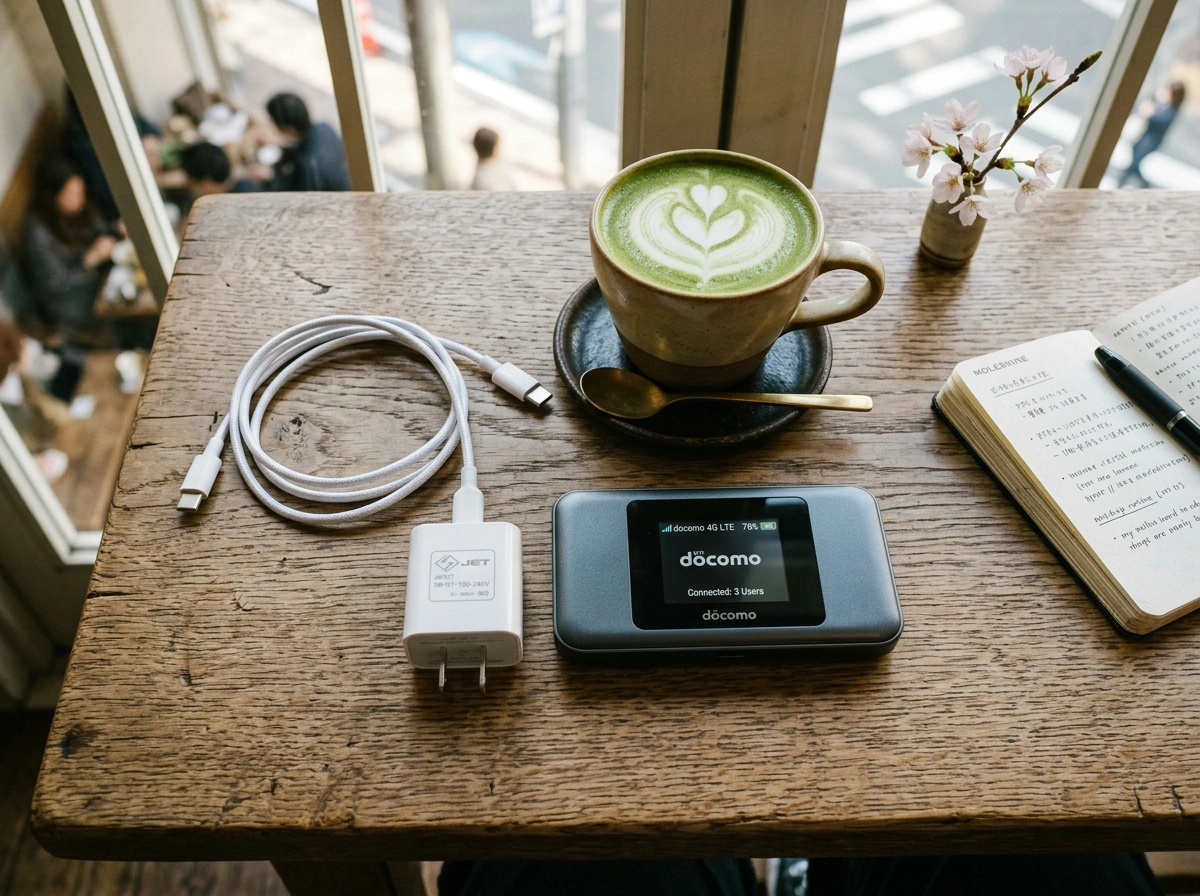
Plugs and Voltage: Japan uses Type A plugs (two flat, ungrounded parallel pins, exactly like North American plugs but without the third round earth pin) and runs on 100V. Most modern laptop and phone chargers are dual-voltage (100-240V) and will work fine, but high-wattage items like hair dryers might struggle.
Staying Online: Free public Wi-Fi is spotty and often requires cumbersome registrations. The absolute best way to stay connected is by purchasing a travel eSIM (like Airalo or Ubigi) before they depart. Alternatively, if they have multiple devices or are traveling in groups, renting a Pocket Wi-Fi router at the airport is incredibly popular and reliable.
Dining, Dietary Needs, and Culture
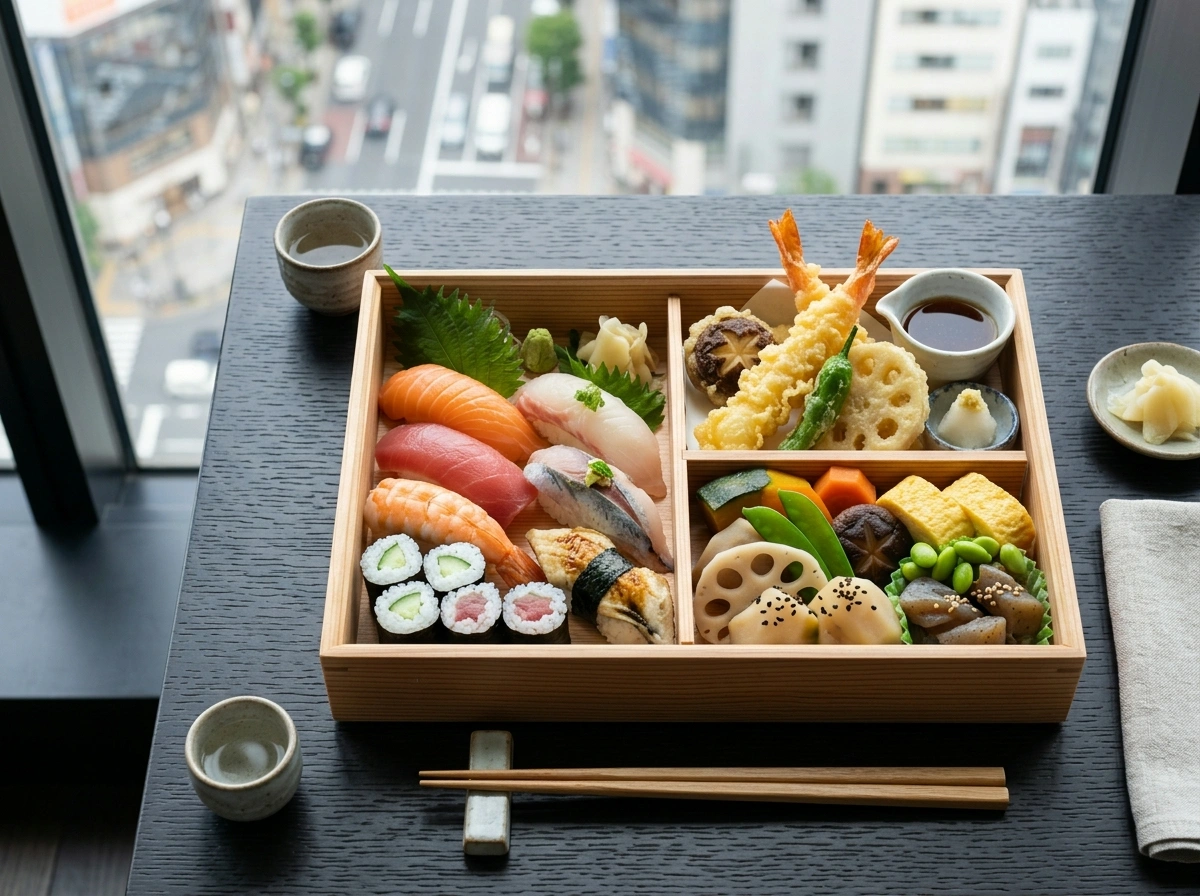
Local Culinary Highlights: Tokyo holds more Michelin stars than any other city in the world, but some of the best meals here cost almost nothing. Three experiences worth prioritizing: authentic Edo-mae sushi, a proper bowl of ramen, and an evening at an Izakaya — the Japanese pub format of skewers, small plates, and drinks that tends to become the highlight of most people's trips.
Dietary Restrictions: This is one of the more challenging cities for attendees with strict dietary requirements. Japanese cuisine relies heavily on dashi (fish stock) and bonito flakes, which appear in dishes that look entirely vegetarian — including tofu, vegetable soups, and noodle broths. Gluten-free diners face a similar issue, as soy sauce contains wheat and is used almost universally. We strongly recommend that vegetarian, vegan, and gluten-free attendees identify suitable restaurants before arriving rather than relying on finding options on the ground. Apps like HappyCow are a useful starting point.
Etiquette: Two rules worth internalizing before arrival: eating or drinking while walking is considered poor form — if you buy something from a vending machine or convenience store, finish it before moving on. On trains and subways, keep voices low and phones on silent.
Curated Tourism and Neighborhoods
The City Vibe: Tokyo doesn't have a single downtown — it's a vast network of distinct neighborhoods, each with its own character, connected by one of the most efficient train systems in the world. Getting between them is half the experience.
Must-Sees — Shibuya Crossing and Meiji Shrine: Start with the organized chaos of the world's busiest pedestrian crossing, then take a short walk to the complete opposite — the serene, forested grounds of Meiji Jingu shrine. The contrast alone is worth the trip.
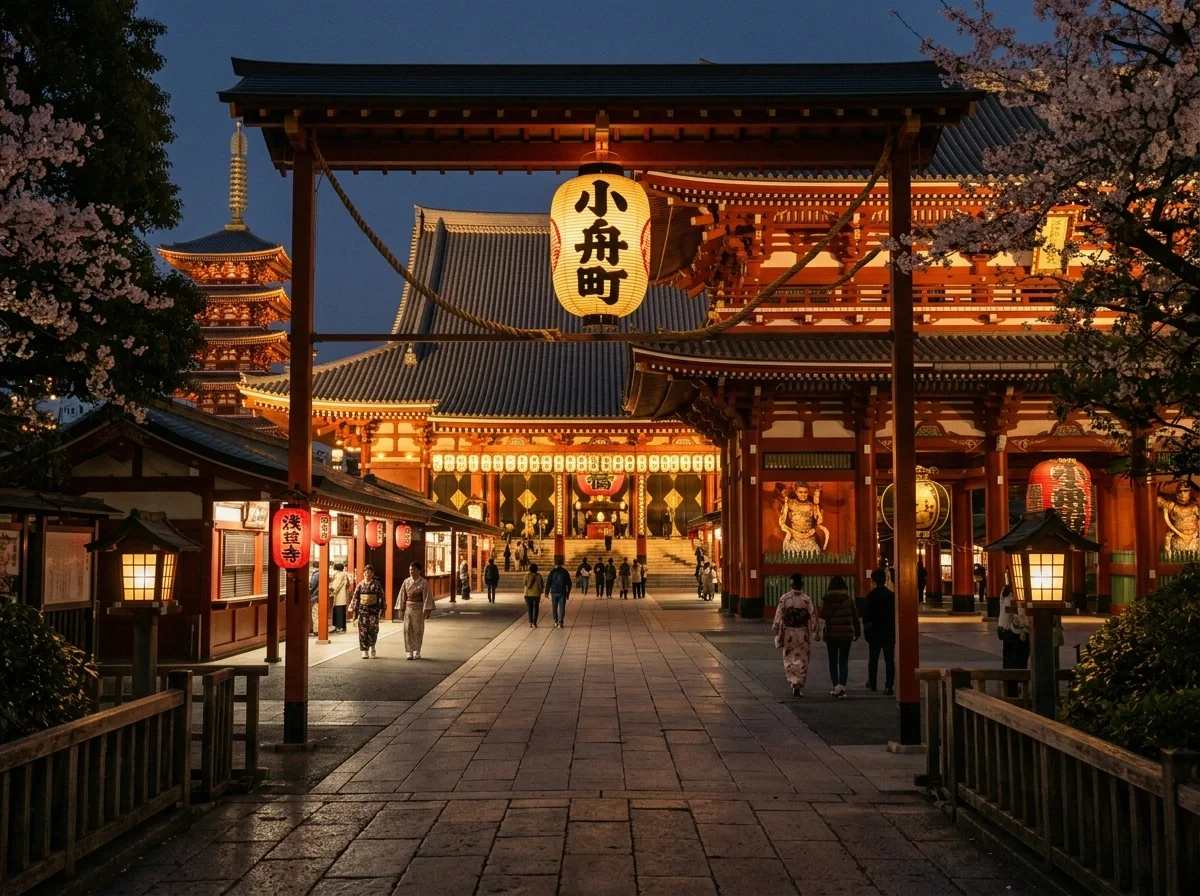
Must-Sees — Senso-ji Temple (Asakusa): Tokyo's oldest and most significant Buddhist temple, approached through the Nakamise shopping street. One of the few places in the city that genuinely feels like a window into traditional Japan.
Must-Sees — Shinjuku: The neon-lit entertainment and dining hub. Worth visiting after dark, and the observation decks at the Tokyo Metropolitan Government Building offer one of the best views in the city — and they're free.
Navigating the Stations: Tokyo's major train stations — Shinjuku and Tokyo Station in particular — are vast, multi-level labyrinths that regularly disorient even experienced visitors. Google Maps is reliable here and should be used to identify the correct exit number before moving. Following the in-station signage to that specific exit will save a significant amount of time and unnecessary ground-level navigation.
Need assistance with dynamic visa applications?
Our helpdesk can provide formal invitation letters for attendees who have successfully registered.