

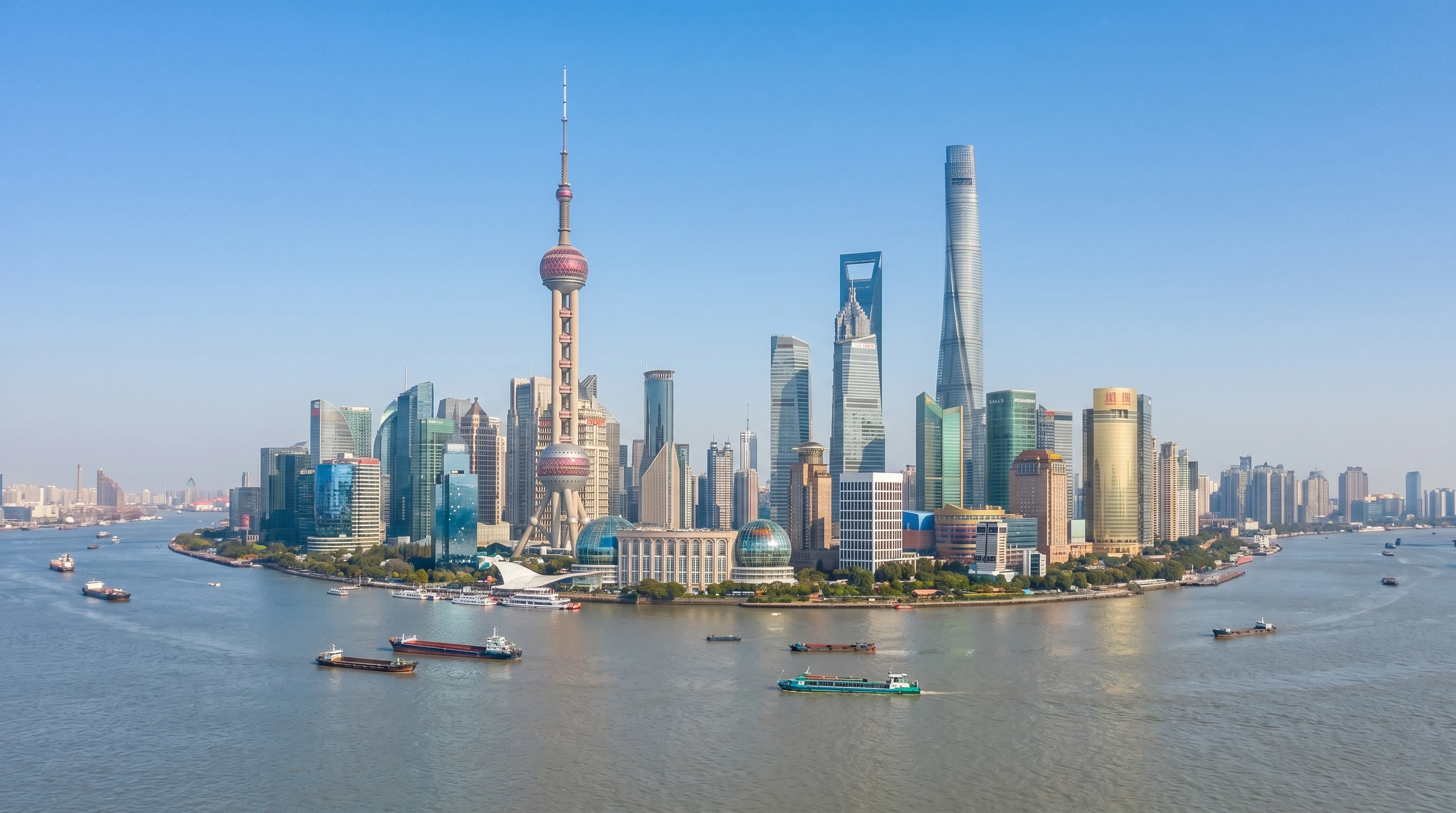
Shanghai
IMX Shanghai is the flagship summit of the IMX circuit, offering unprecedented bilateral entry points into the massive Chinese music ecosystem. Spanning digital streaming, gaming music, brand partnerships, and copyright synchronization, this is the paramount node of global market integrations.
Metro — Take Line 4 or Line 10 to Hailun Road Station, then walk about 10–15 minutes to the venue.
Car — Book a ride with DiDi or navigate with Amap — search "1933 Old Millfun" or enter the address above.
What’s on in Shanghai
29–31 October 2026 · 3 conference daysThemes and session outlines for each conference day are now live. Speakers are announced separately as they are confirmed.
Planning Your Visit to Shanghai
As a global financial center, Shanghai provides world-class connectivity and transit. Plan your travel with confidence using our tailored logistical guidelines below.
Visas and Border Entry
Visa-Free Access: Citizens from over 30 countries — including Australia, New Zealand, France, Germany, Italy, Spain, and Malaysia — can enter China visa-free for up to 15 days. New for 2026: passport holders from the UK and Canada are now eligible for visa-free stays of up to 30 days.
The 144-Hour Transit Policy: Attendees from non-exempt countries (including the US) may be eligible for the 144-hour visa-free transit policy. One crucial condition applies: travelers must hold a confirmed onward ticket to a third country or region — for example, US → Shanghai → Japan → US. A simple round trip does not qualify.
Visas and Supporting Documentation: Attendees who do not qualify under either of the above policies will need to apply for a standard Chinese visa in advance. For those who have successfully registered, our Organization can provide official Letters of Invitation and any other supporting documentation that may be needed.
Arrival Card: All attendees are required to complete a digital arrival card before passing through immigration. We recommend doing this in advance — it takes only a few minutes via the NIA official website, the "NIA 12367" app, or the WeChat/Alipay mini program. Once submitted, save a screenshot of the QR code before landing, as you won’t have internet access in the immigration queue. For those who haven’t completed it in advance, QR codes and smart kiosks are also available at the airport checkpoints.
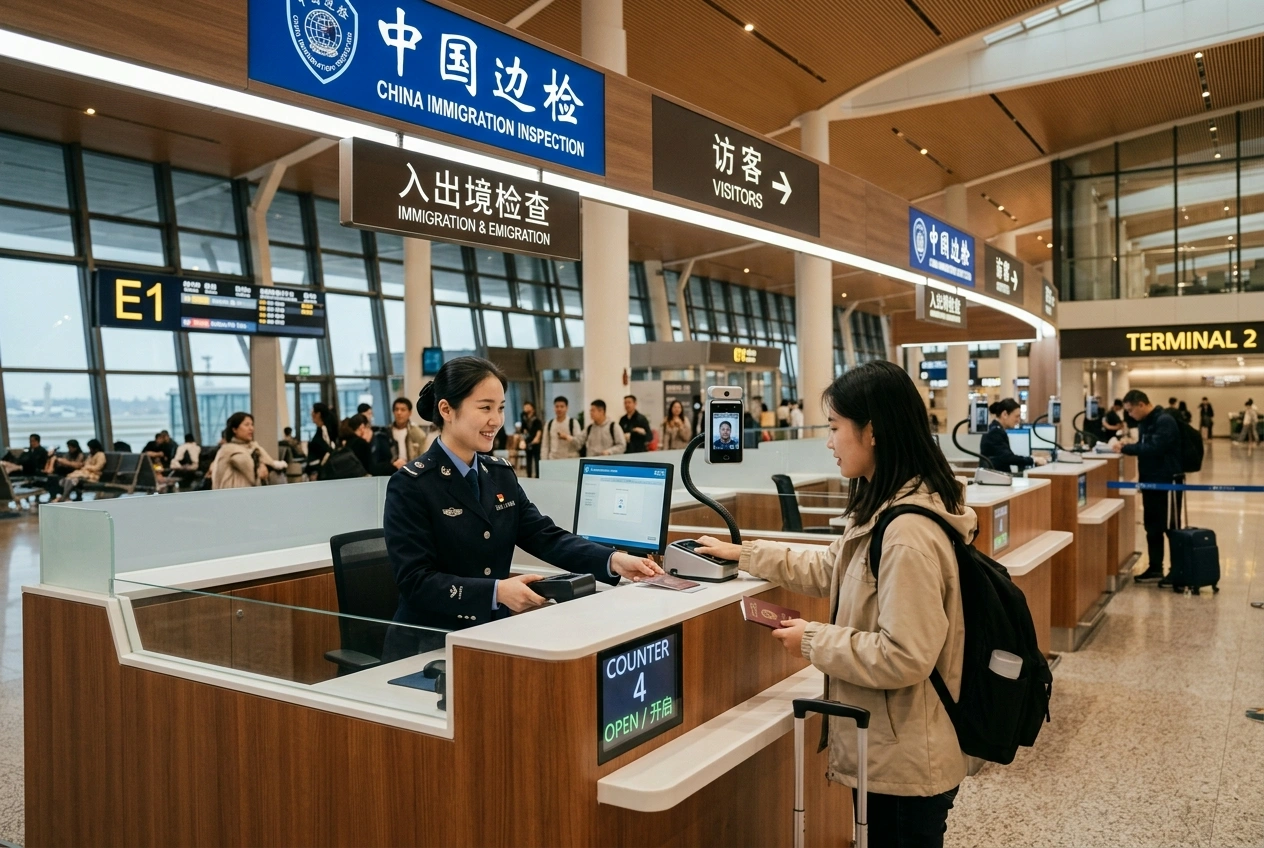
Arrival and Ground Transportation
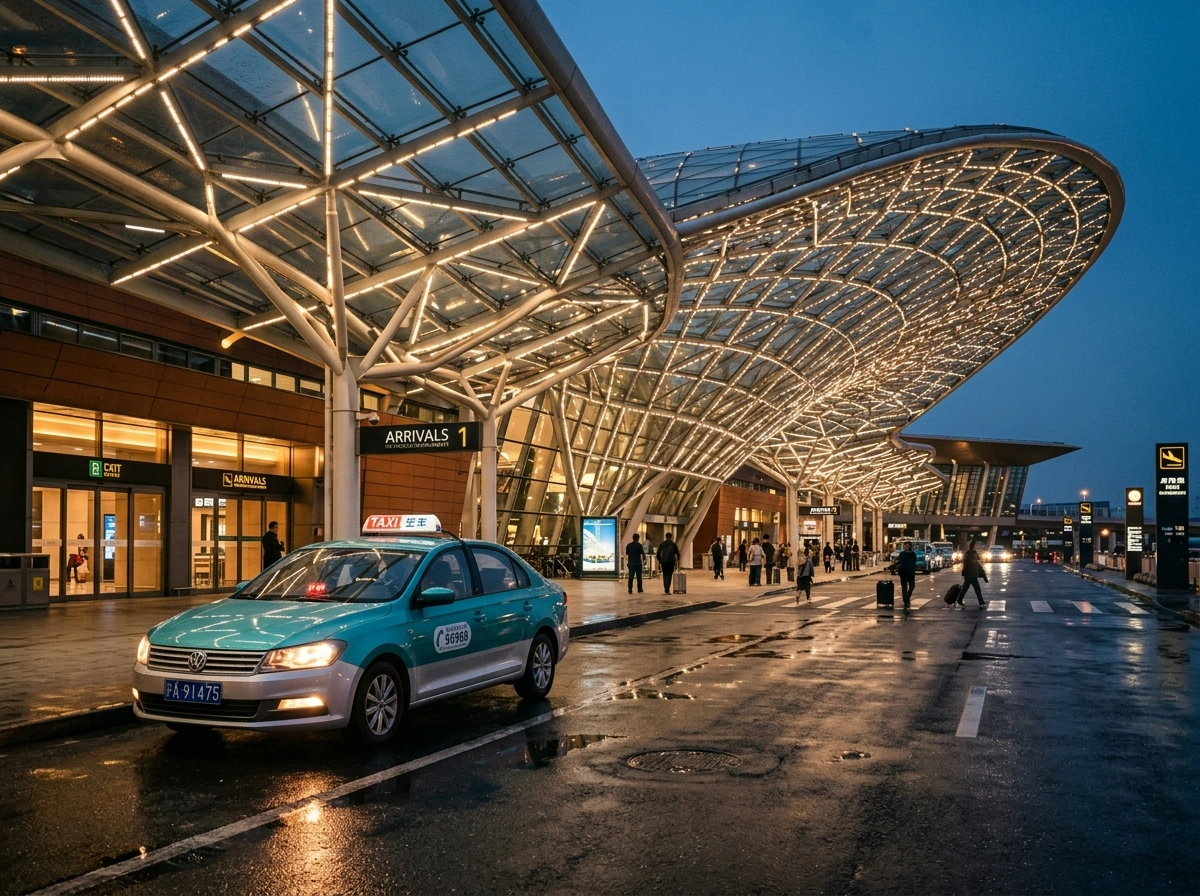
Airports: Shanghai is served by two main airports — Pudong (PVG), which handles most international flights, and Hongqiao (SHA), which serves domestic routes and some regional Asian connections.
The Maglev (PVG): If you’re arriving at Pudong, the Maglev train is the fastest and most enjoyable way into the city. It reaches speeds of 430 km/h (267 mph) and covers the distance to Longyang Road Station in exactly 8 minutes. From Longyang Road, attendees can transfer to the metro or take a taxi to the hotel. Note that the Maglev runs approximately 06:00–22:30, so those with late-night arrivals will need to make alternative arrangements.
Metro Line 2 (PVG): Metro Line 2 connects Pudong Airport directly to the city center, stopping at major points including Lujiazui, East Nanjing Road, and Jing’an Temple. It’s the most affordable option, though it’s a longer ride and can get crowded. Note that not all trains run the full route — a transfer at Guanglan Road may be required, and it’s worth avoiding rush hours (7:30–9:00 AM and 5:00–7:00 PM) if you’re traveling with luggage.
Ride-Hailing — DiDi: Uber does not operate in China. The local equivalent is DiDi, which has a fully translated English interface and is also built into the Alipay app. It's reliable, widely used, and the recommended option for getting around the city.
Taxis: If using a taxi from the official airport queue, have your hotel name and address saved in Chinese characters — most drivers do not speak English.
Money, Payments, and Tipping
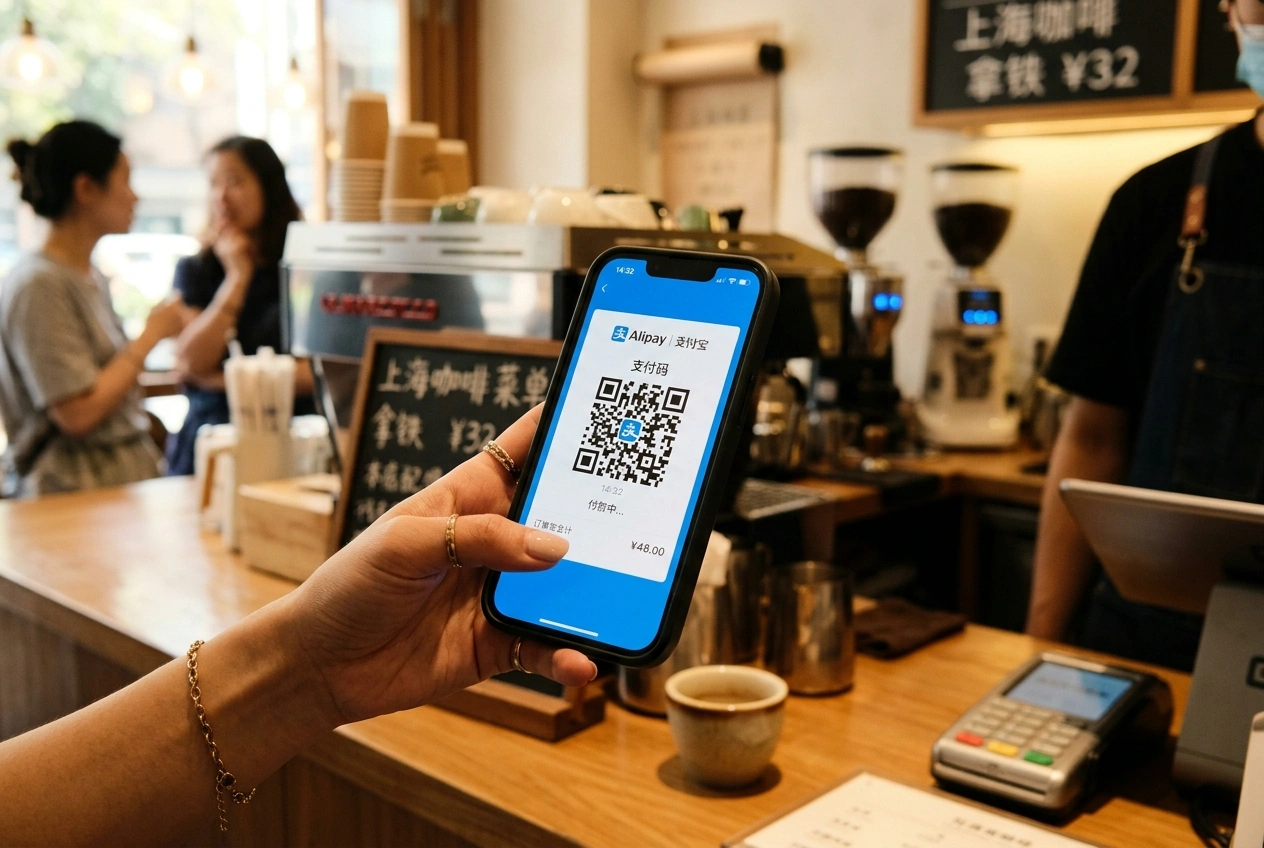
The Digital Economy: Shanghai runs almost entirely on mobile payments. Physical credit cards — Visa and Mastercard included — are rarely accepted outside of five-star hotels, so attendees should not rely on them for day-to-day spending.
Alipay and WeChat Pay: Download both before you leave home. These two apps are the primary payment methods across the city — from upscale restaurants to street food stalls. Both allow you to register with a foreign phone number and link an international Visa or Mastercard directly. Nearly every transaction involves scanning a QR code, and either app handles all of it.
Cash (RMB/CNY): While 2026 regulations require merchants to accept cash, in practice many smaller vendors won't have change for large notes. We recommend carrying a couple hundred RMB as an emergency backup, but treating Alipay/WeChat as your primary method for everything else.
Tipping: There is no tipping culture in China — it isn't expected, isn't required, and is frequently refused. Leaving cash on the table will likely result in a server chasing you down the street to return it.
Connectivity and Power
The Great Firewall: This is the number one pain point for foreign visitors, and attendees should prepare before they land. Google (including Gmail and Maps), WhatsApp, Instagram, Facebook, and most western news sites are blocked in China on local Wi-Fi and local SIM cards.
Travel eSIM: The simplest and most reliable workaround for modern phones is to purchase a travel eSIM before departing. Because these route data through a foreign network, they naturally bypass the Firewall — no VPN required. Attendees will be able to use all their standard apps exactly as they would at home.
A Note on VPNs: For those who prefer to use a local SIM or hotel Wi-Fi, a VPN is the alternative — but be aware that many VPN services are themselves blocked or unreliable inside China. The eSIM route is strongly preferable.
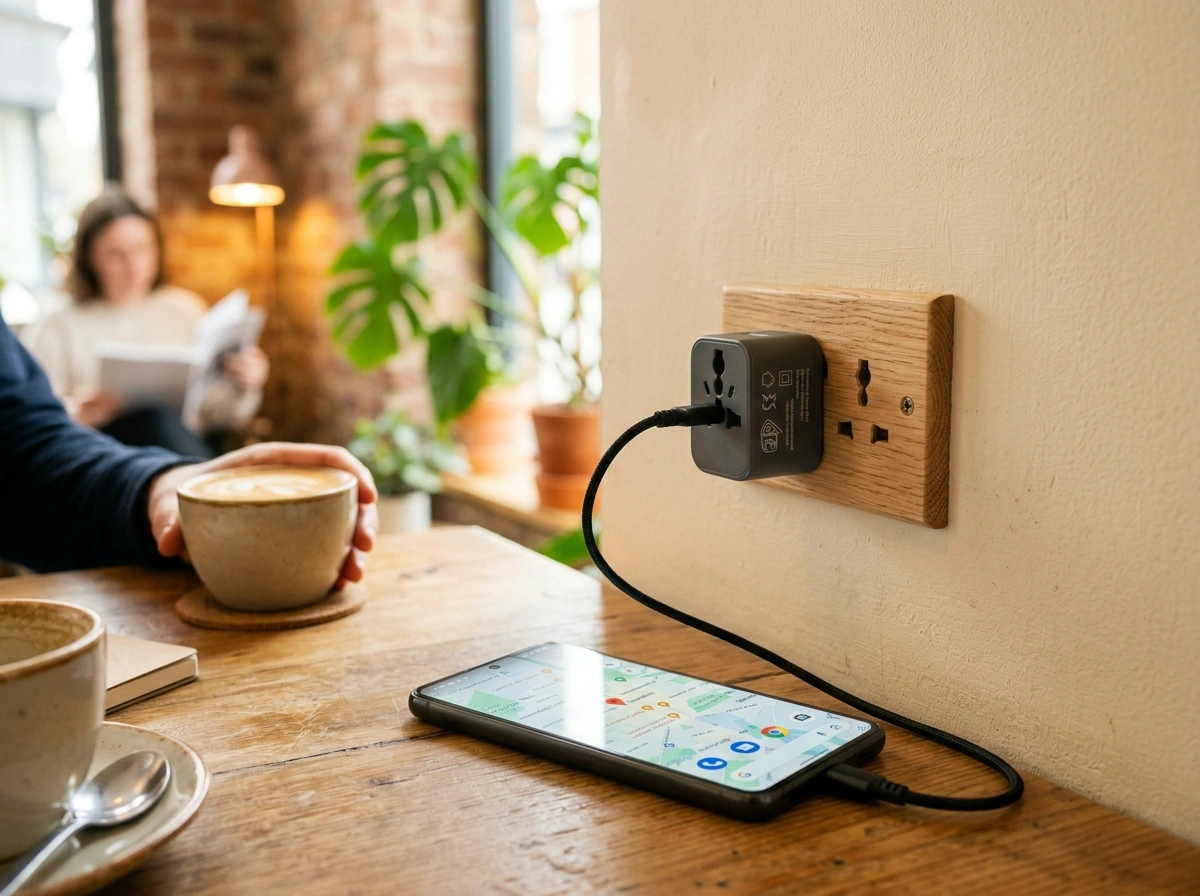
Plugs and Voltage: Shanghai runs on 220V. Sockets are typically hybrid outlets that accept US-style flat pins (Type A), European round pins (Type C), and the angled three-pin Australian style (Type I) — so most international travelers won't need an adapter, but a voltage converter may be necessary for older devices.
Dining, Dietary Needs, and Culture
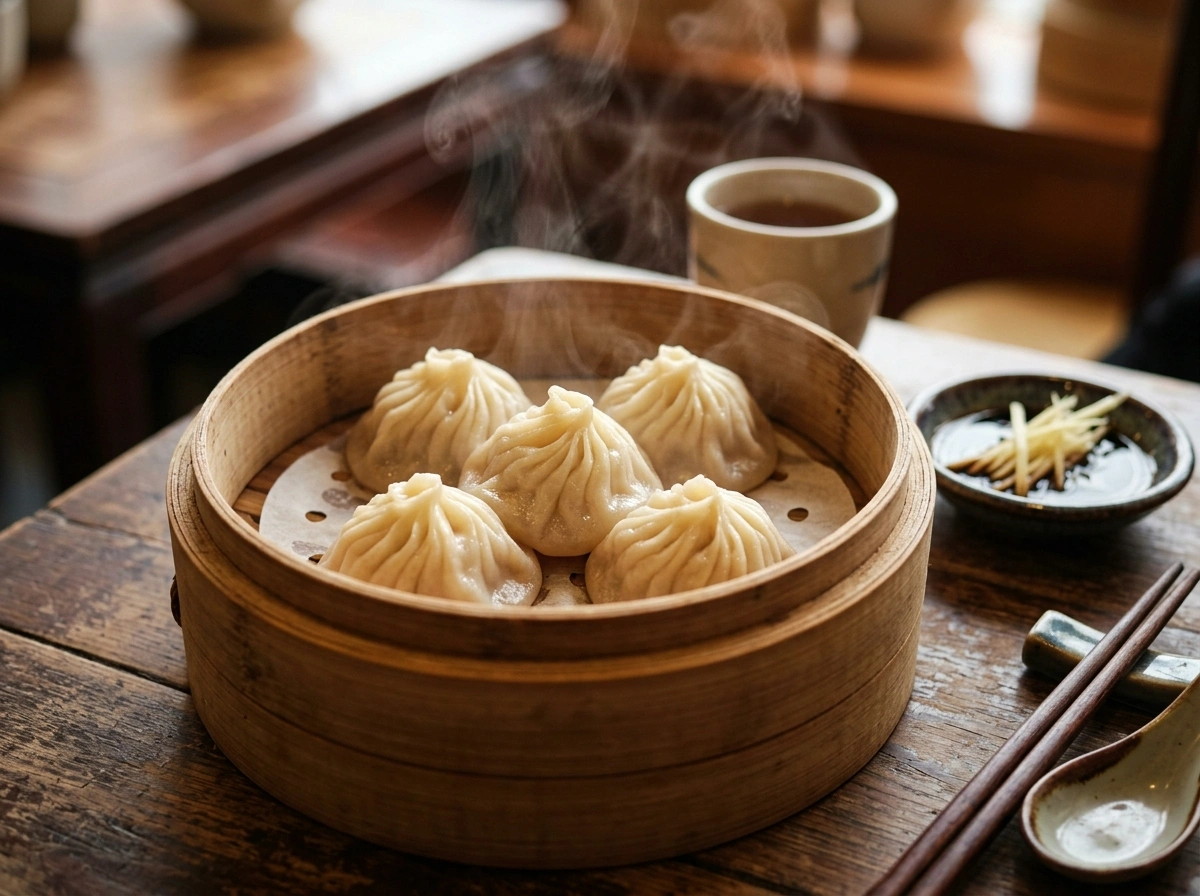
Local Culinary Highlights: The undisputed centerpiece of Shanghai's food scene is Xiaolongbao — delicate soup dumplings filled with pork and hot broth. Equally worth trying are Shengjianbao, pan-fried pork buns with a crispy base. Both are found everywhere, from hole-in-the-wall spots to dedicated restaurants, and neither should be missed.
Dietary Restrictions: Shanghai has a number of dedicated vegetarian restaurants, largely rooted in the city's Buddhist tradition, and these are the most reliable option for plant-based attendees — but they require some advance research to locate. Vegan options at standard restaurants are limited, and communicating strict dietary requirements across a language barrier is genuinely difficult. We recommend that vegetarian and vegan attendees identify suitable restaurants before arriving rather than relying on finding options on the ground. For Halal options, Xinjiang restaurants are widely distributed across the city — look for green signage with Arabic script.
Tap Water: We advise against drinking tap water. Bottled water and an electric kettle are standard in all hotel rooms and should be used as the default.
Curated Tourism and Neighborhoods
The City Divide: Shanghai is split by the Huangpu River into two distinct personalities. Puxi, on the west bank, is the historic, cultural, and nightlife heart of the city — dense, walkable, and full of character. Pudong, on the east bank, is the ultra-modern financial district, defined by its iconic skyscraper skyline.
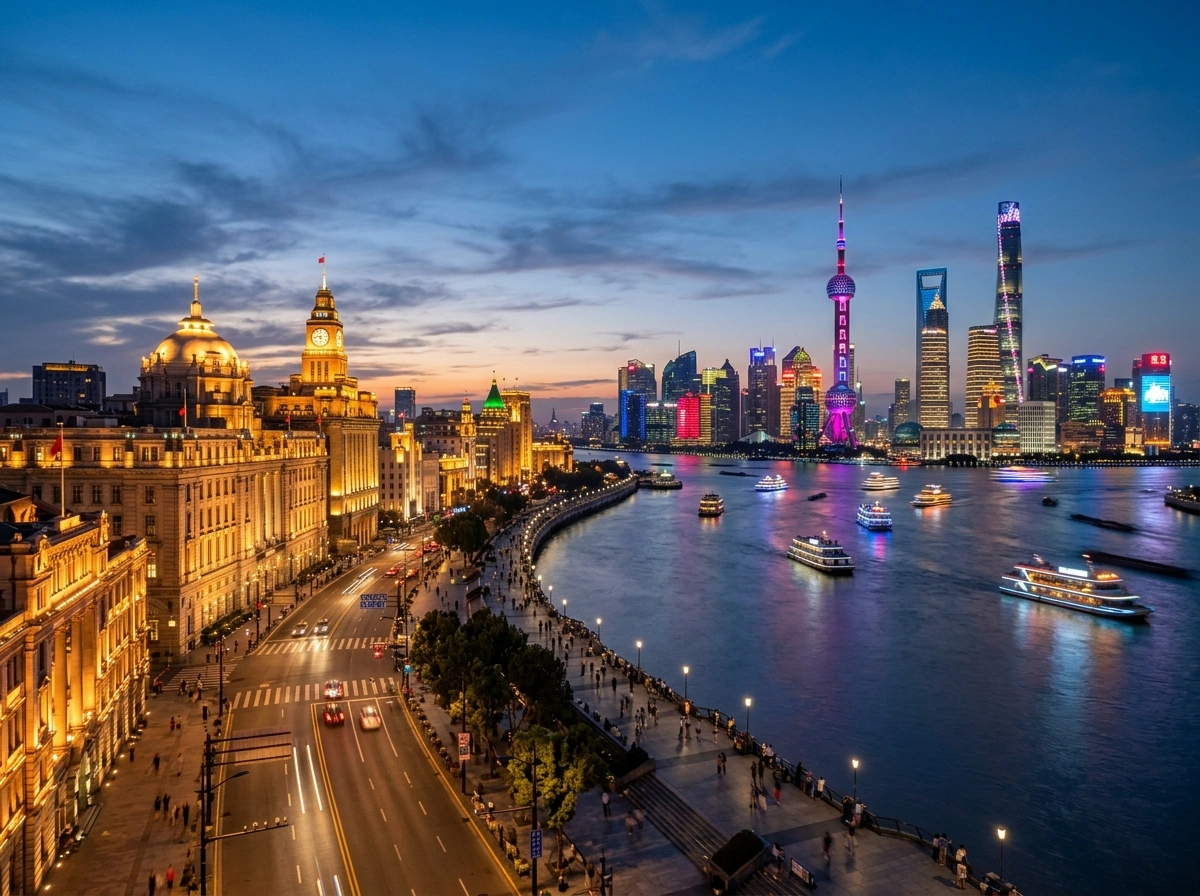
Must-Sees — The Bund: Shanghai's most iconic landmark — a waterfront promenade lined with colonial-era architecture on one side and a direct view of the Pudong skyline on the other. Best visited in the evening when both sides are lit up.
Must-Sees — Yu Garden: A beautifully preserved classical Chinese garden, tucked next to a bustling traditional bazaar. Worth a couple of hours.
Must-Sees — The Former French Concession: One of the most pleasant neighborhoods to simply wander — tree-lined streets, boutique coffee shops, and some of the city's best hidden bars and speakeasies.
A Note on Punctuality: Time is taken seriously in Chinese business culture. Arriving exactly on time is generally considered late — attendees should aim to be at any formal conference event 5 to 10 minutes early.
Need assistance with dynamic visa applications?
Our helpdesk can provide formal invitation letters for attendees who have successfully registered.