


Astana
IMX Astana serves as the central gateway connecting the rapidly expanding Central Asian music landscape with international music markets. This edition is dedicated to fostering regional partnerships, copyright infrastructure, and showcase exchange programs.
Planning Your Visit to Astana
Astana is highly accessible via major Central Asian hubs. Below is the essential information to help you plan a smooth and comfortable travel experience.
Visas and Border Entry
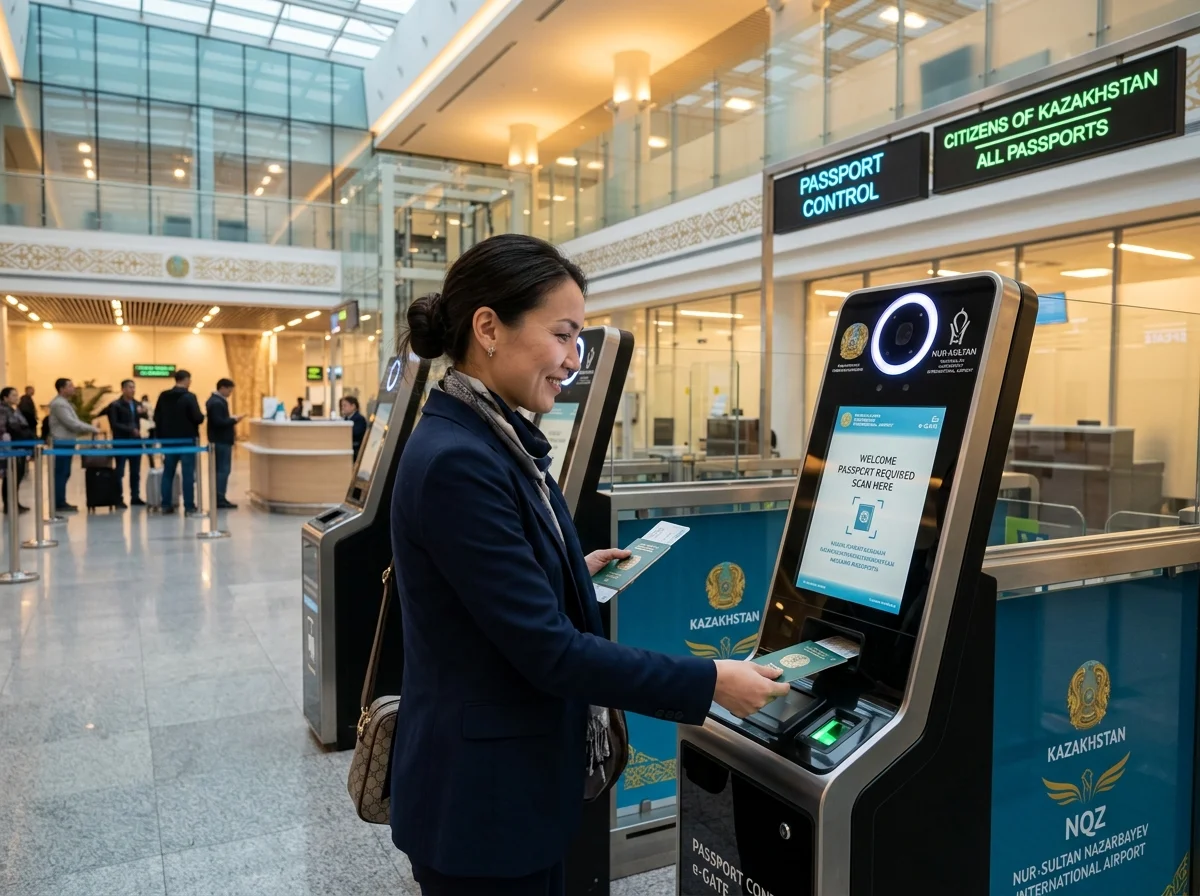
Visa-Free Access: Kazakhstan currently offers visa-free entry to citizens from 78 countries — including the US, Canada, Australia, the UAE, and most of Europe — for stays of up to 30 days. Some CIS nations enjoy up to 90 days.
eVisas and Letters of Invitation: Attendees from non-exempt countries (including parts of South Asia, Africa, and some other regions) will need an eVisa or a traditional visa to attend. For those who have successfully registered, our Organization can provide official Letters of Invitation and any other supporting documentation that may be needed.
Passports: Standard 6-month validity rules apply.
Arrival and Ground Transportation
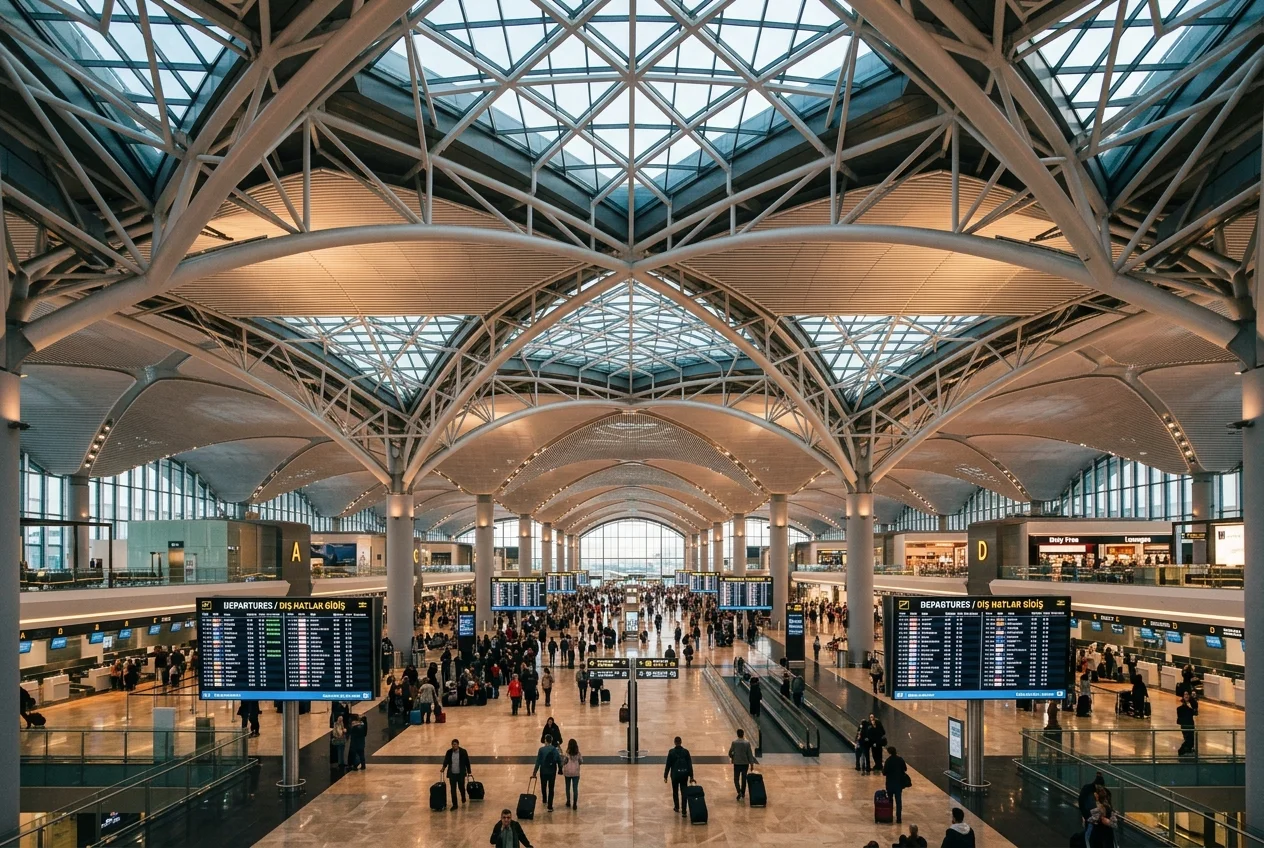
Airport: Attendees will fly into Nursultan Nazarbayev International Airport (NQZ) — a modern, relatively compact airport that's easy to navigate on arrival.
The Yandex Go App: We strongly recommend downloading Yandex Go before you fly. It's the dominant ride-hailing app across Central Asia, and essentially the most reliable option for getting around the city. A ride to the center takes around 30 minutes and costs roughly 3,000–4,500 KZT (approximately $10 USD).
Skip the Bus: Routes 10 and 12 do connect the airport to the city center, but payment requires either a local transit card (Transcard) or a local mobile app — neither of which is straightforward to set up on arrival. We'd recommend skipping this option unless you're already familiar with the system.
Money, Payments, and Tipping
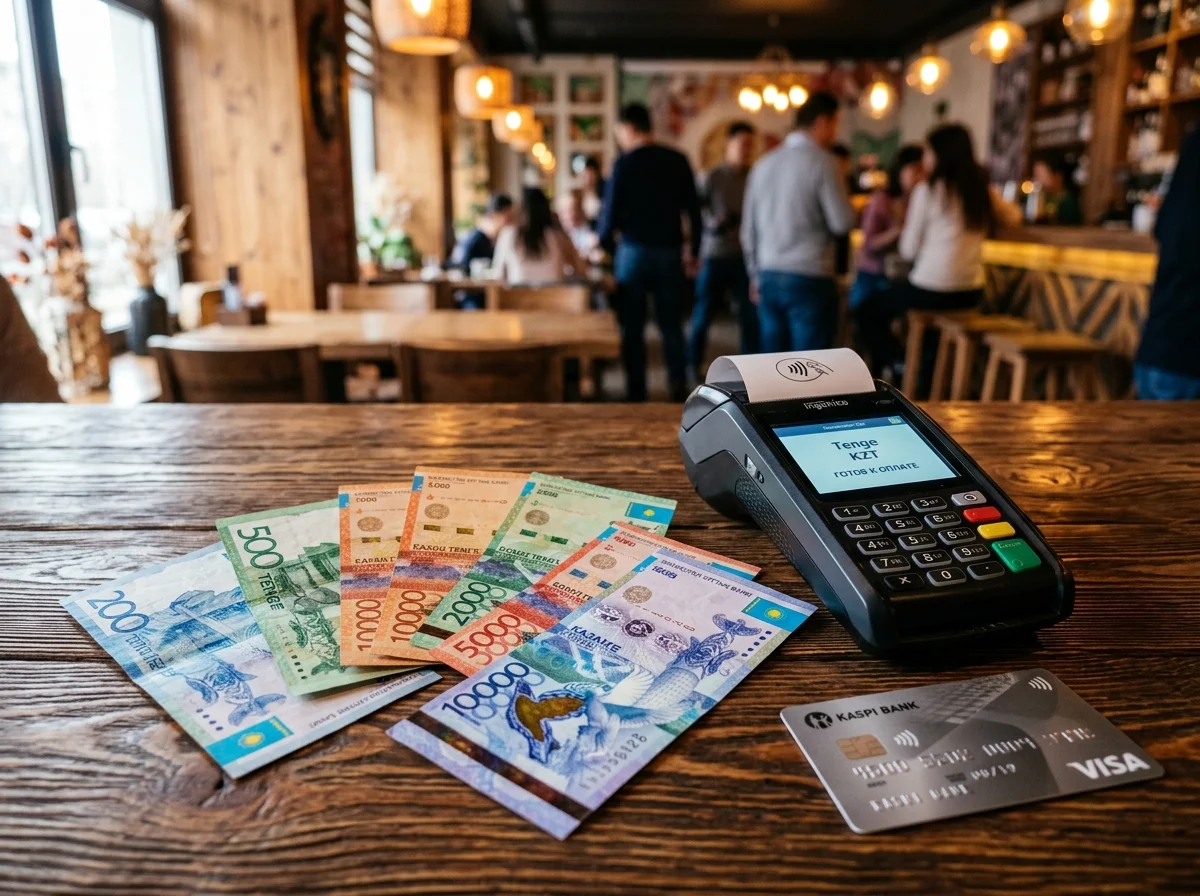
Currency: The Kazakhstani Tenge (KZT).
Card Payments: Astana is a highly digitized city — while locals primarily use a domestic app called Kaspi, international Visa and Mastercard, as well as Apple Pay and Google Pay, are accepted almost everywhere.
Tipping: A 10% service charge is usually added automatically to restaurant bills. Tipping beyond this isn't strictly expected, but leaving a small amount of extra cash on the table for your server is always appreciated.
Connectivity and Power
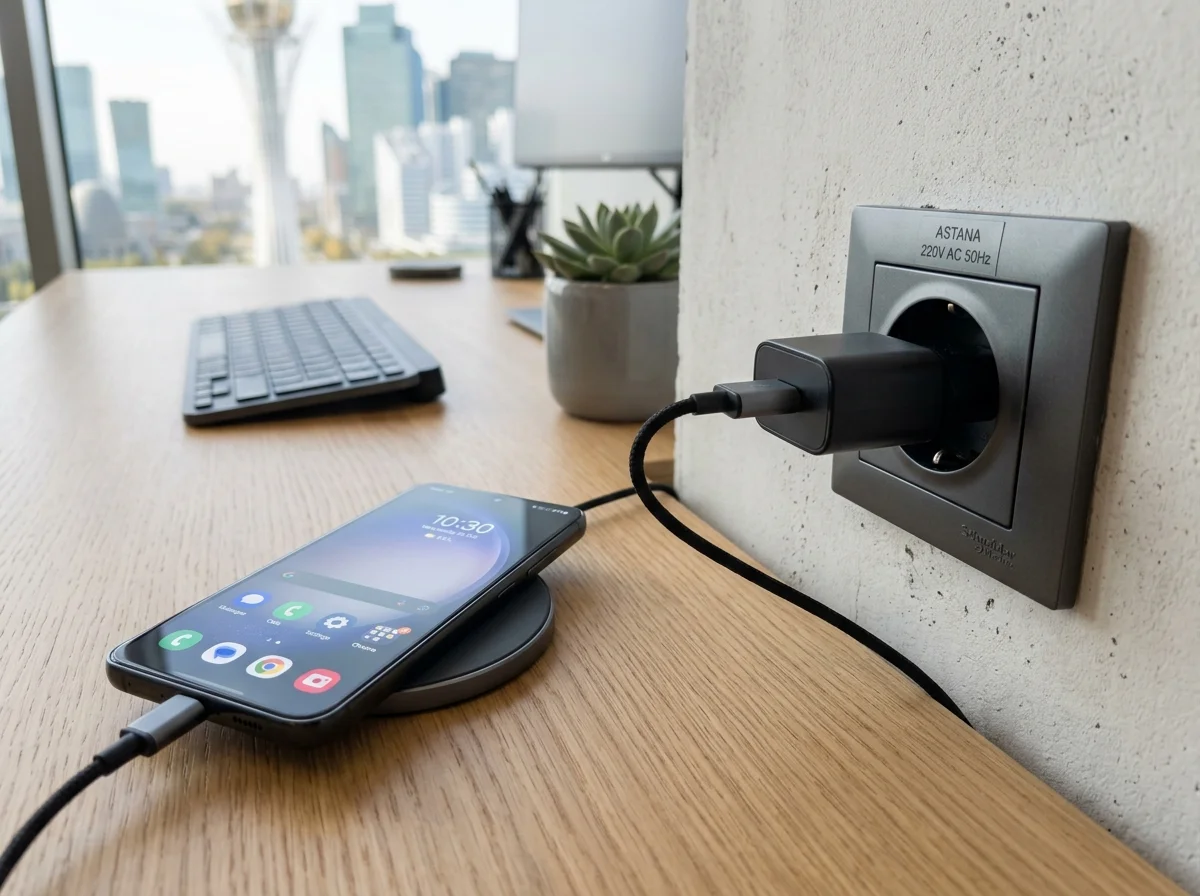
Plugs and Voltage: Astana uses standard European Type C and F plugs at 220V.
Staying Online: Mobile data in Kazakhstan is exceptionally cheap and fast. Attendees can either download an eSIM before landing, or pick up a physical SIM card from local carriers — Beeline, Kcell, and Tele2 all have counters in the arrivals hall. Wi-Fi in hotels and cafes is ubiquitous and reliable.
Dining, Dietary Needs, and Culture
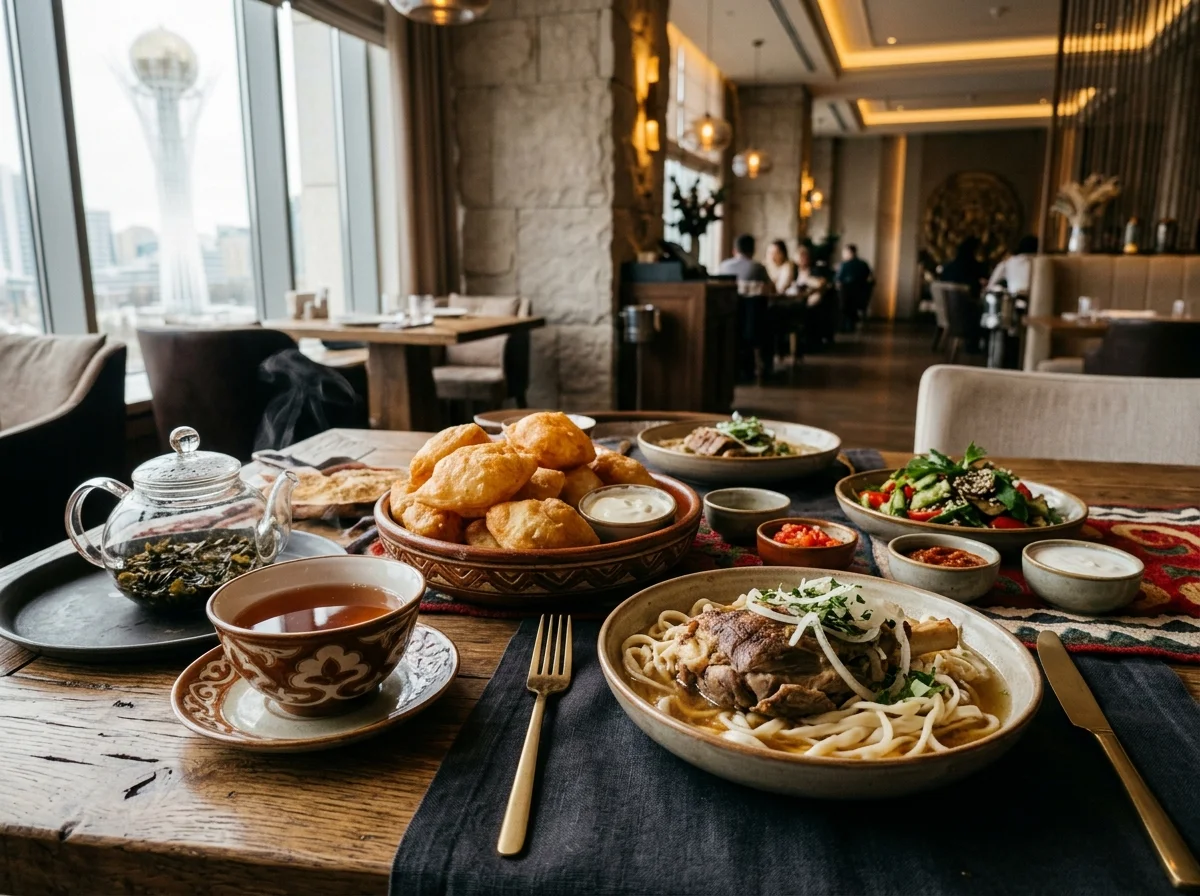
Local Culinary Highlights: Kazakh culture is proudly nomadic, and that heritage translates directly to the table — expect a heavily meat-based cuisine. The national dish is Beshbarmak, boiled horse meat or lamb served over wide flat noodles in a savory broth, and worth trying at least once. Baursaks, puffy fried dough, are another staple you'll find everywhere.
Dietary Restrictions: Halal food is the default across the city, so finding compliant options is effortless. Vegan and vegetarian attendees will need to plan ahead, however — meat is central to the culture, and broths are often meat-based. We recommend seeking out international or Indian restaurants, which offer the most reliable plant-based options in the city.
Tap Water: We advise against drinking tap water. Bottled water is cheap, widely available, and the local standard.
Curated Tourism and Neighborhoods
The City Divide: The Ishim River splits Astana into two distinct worlds. The Left Bank is an expanse of futuristic, ultra-modern architecture and wide boulevards — this is likely where your conference hotels will be located. The Right Bank is the older, Soviet-era side of the city, with narrower, more walkable streets and a stronger local character. Both are worth exploring if time allows.
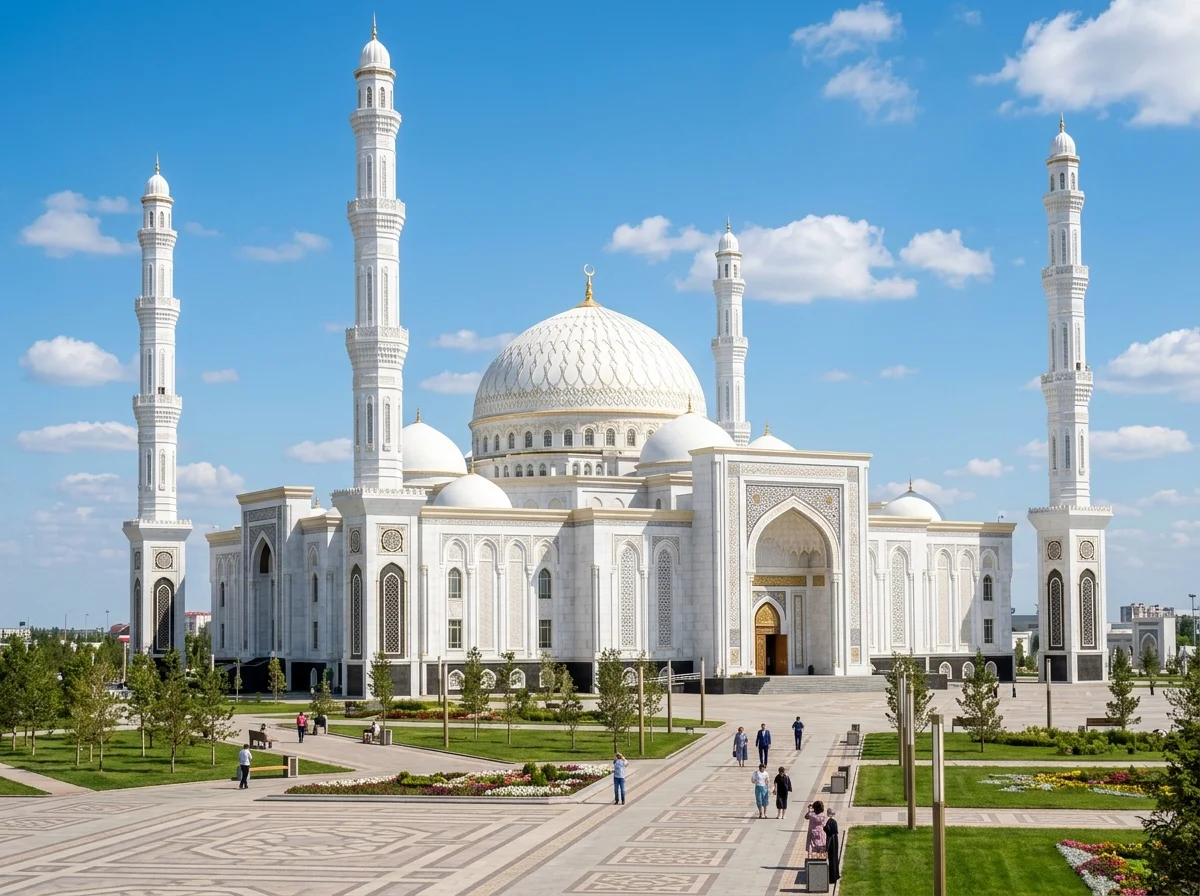
Must-Sees: Bayterek Tower, Khan Shatyr, and Hazrat Sultan Mosque are the three landmarks no first-time visitor should miss.
A Word on the Weather: Astana is the second-coldest capital city in the world. Even outside of winter, the wide open boulevards of the Left Bank act as wind tunnels. We strongly recommend packing layers regardless of the time of year.
Need assistance with dynamic visa applications?
Our helpdesk can provide formal invitation letters for attendees who have successfully registered.